Yoga with Holden
We’ll be sharing a guided yoga experience every Friday during October.
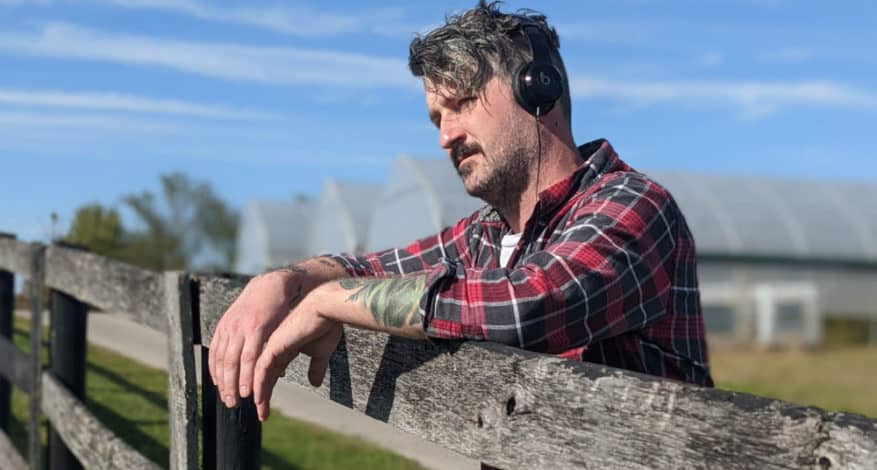
Holden, a certified yoga instructor on our staff, invites you to a engage your body in low-impact movement during this 30-minute yoga experience.
Give yourself permission to make healing a priority, and remember the healing journey is different for everyone.
Do you have a strong support network of family and friends? Often, friendships need to be mended or ended to help you heal. Many survivors are eager to begin a safe romantic relationship, while others swear to never be intimate with another again. As time passes, you will feel readier to make these decisions. In the meantime, remember to care for your physical health. Healing our spirit is easier when our bodies are healthy and strong.
If you need more support, call us to talk about options and ask for the days and times of support groups in your area. Our advocates are available 24 hours a day, every day of the year to answer questions, make safety plans, advocate for legal rights, and offer support during your healing journey.
The Heart Space is a digital sound archive of trauma-sensitive resources dedicated to serving those who are healing from abuse. Rooted in mind-body connection, the intention of this archive is to serve as a tool for survivors to reembody their mental, emotional, and physical body. Our approach is grounded in deepening our understanding of both our self and our connection to the natural world. We are honored to continue holding space for the incredibly courageous survivors we serve who continue to show up for themselves to heal and flourish in a life free of violence.
Today’s six-minute guided meditation will encourage you to consider the fears in your life and imagine the courage within you.
Tune in weekly during the month of October for a new trauma-sensitive sound recording. Listen on Spotify, Pocket Casts, Google Podcast, and more.
Contributors
Stephanie Love has been with GreenHouse17 since 2006, where she worked as a Residential Advocate for almost 8 years before going into Outreach. During her time with the agency she has introduced yoga and relaxation groups to further support survivors to heal from abuse. Stephanie has a Master’s of Science in Counseling Psychology and is a Certified Yoga Teacher (CYT). She continues to study trauma and its effect on the whole person, the healing powers of mindfulness and yoga, and is proud to be an eternal student of life.
Holden Dillman has been with GreenHouse17 since 2018, where they served as an AmeriCorps VISTA and practicum student serving on our therapeutic flower farm. Holden has a Master’s of Science in Social Work and is a Certified Yoga Instructor (CYT). He serves as the Content Creator for GreenHouse17 where they create and curate content to support the healing of survivors. Holden is also a practicing therapist based out of Louisville. Holden finds deep joy in serving as a trauma-sensitive yoga and meditation instructor, and social worker. Their experience is grounded in nature-based healing as means to integrate trauma. Holden is committed to holding space for collective liberation of the mind, body, and soul in inclusive community.
During #DomesticViolenceAwarenessMonth we must become advocates for those who need us most. Visit @KCADVtweets or call 502–209–5382 for important resources. pic.twitter.com/BFekGpYXR6
— Governor Andy Beshear (@GovAndyBeshear) October 2, 2020
General Services Brochure
Folletos de servicios generale
Brochures des services généraux
Planning for your safety
What about the children?
Safe exchange and visitation
Supporting family and friends
Safety and healing in a small town
You have the right (LGTQIAA)
Your professional responsibility
Healing body and spirit
Financial abuse
Healing and sobriety
Faith and healing
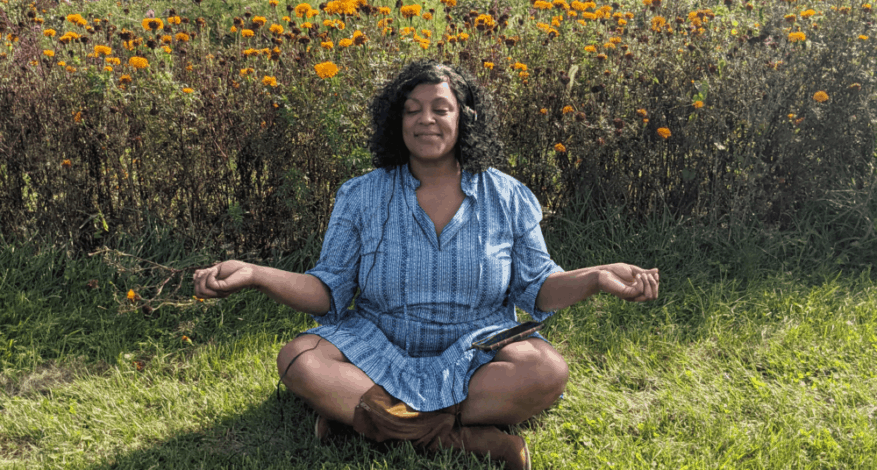
Join Stephanie, an advocate and certified yoga instructor on our staff, for this 30-minute relaxation journey. She invites you to find a comfortable space, take a deep breath, and exhale fear as you reconnect with your body.
One thing we know is that home is not always safe for everyone, especially survivors of intimate partner violence. This has especially been the case during COVID-19. When a survivor is forced to stay in close proximity to their abuser it is often easier for them to exert control over the survivor.
Recently, there have been reports of increased domestic violence during the lockdowns necessitated by COVID-19 across countries in North America, South America, Europe, Africa and Asia; the UN Population Fund additionally projects at least 15 million more cases of domestic violence as a result of COVID-19. (NNEDV)
Now more than ever before it is important that survivors know that their community supports them and sees them in these unprecedented times. As an effort to ensure survivors are seen and heard during this global pandemic #ISeeYou, a public service campaign has launched a video to get the word out that help is available as incidents of domestic violence continue to rise.
The National Domestic Violence Hotline reported that from March 16 to May 16, there was a 9% increase in total contacts received by the National Domestic Violence Hotline, with over 6,200 total contacts citing COVID-19 as an issue.
Data shows that women of color and Indigenous women are disproportionately affected by domestic violence. Sheltering in place is not a viable option for frontline and essential workers, many of whom are women, particularly women of color, already facing the disproportionate impacts of historical trauma, discrimination, and violence, while now facing increased exposure to the virus. Simultaneously, the historic loss of economic opportunity in this country has been especially acute for women, Black and brown communities, and workers of color, who already hold the majority of low-paid work, suffer from pay inequality, and do not have access to paid sick leave and other health benefits. (NNEDV)
It is our responsibility to cultivate a supportive community and to advocate for the safety of those who are not able to. If you or someone you know is or may be experiencing intimate partner violence, please do not hesitate to reach out. We are here to support survivors and those who are the friends and family members of those experiencing abuse.
We know that vegetables fresh from the farm are healthy and delicious. But we don’t always know what to make or how to prepare them! Chef Tim is here to show us just how easy it is to turn butternut squash into a yummy soup. Also, did you know squash blossoms are edible? Stuffing them with feta cheese and lightly frying them was so tasty!
Adapted from Cookie and Kate (https://cookieandkate.com/roasted-butternut-squash-soup/)
Preheat the oven to 425 degrees Fahrenheit and line a rimmed baking sheet with parchment paper. Place the butternut squash on the pan and drizzle each half with just enough olive oil to lightly coat the squash on the inside (about ½ teaspoon each). Rub the oil over the inside of the squash and sprinkle it with salt and pepper.
Turn the squash face down and roast until it is tender and completely cooked through, about 40 to 50 minutes (don’t worry if the skin or flesh browns—that’s good for flavor). Set the squash aside until it’s cool enough to handle, about 10 minutes.
Use a large spoon to scoop the butternut squash flesh into your blender. Discard the tough skin. Add the heavy cream, sage, thyme, and a few twists of freshly ground black pepper to the blender.
Securely fasten the lid. Blend on high (or select the soup preset, if available), being careful to avoid hot steam escaping from the lid. Stop once your soup is ultra creamy and warmed through.
Serve and enjoy! Oh, and don’t forget to garnish with basil if you have it!
4 servings
Adapted from Cypress (GreenEarthBooks, 2009)
Fill a large, heavy-bottomed pot with at least 4 inches of canola oil. Heat the canola oil to 350 degrees. In a medium-sized mixing bowl, combine the cold soda water, cornstarch, and flour. Whip the mixture with a whisk until the batter is fully incorporated. Keep the batter cold until you’re ready to fry.
Holding the squash blossoms by the stem, dip only the flowers into the tempura batter. Working in batches, remove the blossom from the batter and place it in the hot oil. Fry for 4 minutes, until the flowers are crispy and translucent. Drain the blossom on paper towels to absorb excess grease and season them with fine sea salt. Repeat with the remaining blossoms. Keep the blossoms warm until ready to serve.
4 servings
Learn more and sign up at this link at this link on our website.
View this post on Instagram
This article was written by “Laurel,” a survivor who participates in our farm’s healing programming.
The sense of accomplishment and appreciation after a day’s work out on the farm is something I haven’t felt in a very very long time. On the farm, there are so many hoop houses to protect the plants from the elements… I watered three of the hoop houses.
Each greenhouse took an hour to water because the ground was so dry. I harvested the squash and zucchini again. The cucumbers still aren’t doing very good. All the peppers look great and some are huge and just perfect, not a spot on them. Thank you for allowing someone like me to feel appreciated and useful.
Not only is this an amazing program for a lady who has been through so much abuse and trauma to work through her issues, as well as rebuild her self-confidence and self-esteem, but we are also learning something. That is important to me.
This article was written by Savannah McGuire, one of our farms co-managers.
When you can even get meal kits delivered straight to your front door, it’s important to consider how our consumption habits influence the communities and the ecosystems where we live. Here are seven ways that you can contribute to a more environmentally sustainable food system:
1. Buying local means that the number of miles that your food travels is minimized, which can reduce the amount of fossil fuels required for transportation.
2. Consider reducing consumption of commercially produced animal products, or buy animal products that are sustainably raised (grassfed, pastured chicken, etc) if you can afford it.
3. When dining out, eat at restaurants that source ingredients from local farms.
4. Shop at your local food co-op and buy in bulk with your own containers to reduce plastic waste.
5. Consider minimizing consumption of products like chocolate, coffee, bananas, avocados, and other products that are usually imported from long distances.
6. Buy fewer packaged, processed foods (even if they say organic!). Make your own snacks and package them in reusable containers.
7. Grow your own garden or grow food in containers if you don’t have space.