rainbow over shelter LGBTQIABlog

Pride Month 2025

As we honor Pride Month, we celebrate the activists who dedicated their lives to creating safe and inclusive spaces for all survivors. We appreciate and admire the work the following people have done in the LGBTQIA+ community against violence and encourage you to read more about their achievements. 

Del Martin & Phyllis Lyon

Co-founders of organizations for women’s rights and domestic violence awareness.

Audre Lorde

Founding member of the Women’s Coalition of St. Croix which supported survivors.

Sylvia Rivera

Co-founder of the Gay Liberation Front, Gay Activists Alliance, and STAR.

Marsha P. Johnson

Co-founder of STAR which supported trans youth.

Barbara Gittings

Removed homosexuality from the APA’s mental disorders list.

Ruth Ellis

Opened her home for LGBTQ+ youth facing homelessness and violence.

Read more at this link.

Follow the link above to be connected with more articles.

READ MORE
del martin and phyllis lyon21 Years

Celebrating Del Martin

“Nothing was ever accomplished by hiding in a dark corner.” 

Del Martin was a feminist activist who played a crucial role in the gay rights and domestic violence movements.  

Martin co-founded multiple organizations that advanced women’s rights: 

  • Daughters of Bilitis in 1955 – the first lesbian organization in the United States 
  • National Organization for Women in 1966 – raised awareness around domestic violence and pushed for legislative changes to protect survivors 
  • Coalition for Justice in 1976 – focused on domestic violence and sexual assault rights 

Martin wrote an article for Women’s eNews in 2002 and said: 

“A lot of people forget that lesbians started the domestic violence movement. Some shelter folks get upset when I say it, but it’s true. The radical women in the 1970s were already disgusted with the system, and when this issue came up, it was something they could really get behind. Suddenly, these women who were into questioning authority became lobbyists–wanting laws changed, wanting to influence policy!” 

In 1976, Martin published ‘Battered Wives,’ an analysis of domestic violence, its seriousness, and how the legal system had failed women. 

She also chaired the Consultation on Battered Women: Issues of Public Policy in 1978, which resulted in The National Coalition Against Domestic Violence being formed and helped create the Domestic Violence Prevention and Services Act in 1984. 

She was first in line to marry her longtime partner, Phyllis Lyon, in 2004 when the mayor of San Francisco, Gavin Newsom, said marriage licenses should be issued to LGBTQ+ couples. The California Supreme Court voided those licenses two months later. 

Phyllis said, “Del is 83 years old and I am 79. After being together for more than 50 years, it is a terrible blow to have the rights and protections of marriage taken away from us. At our age, we do not have the luxury of time.” 

Del and Phyllis were again first in line to get married after the California Supreme Court ruled in favor of LGBTQ+ marriages on June 16, 2008. Mayor Newsom officiated the ceremony.  

Del passed away later that year on August 27 at age 87.  

This Pride Month, we celebrate Del Martin’s legacy and lifelong dedication to domestic violence and gay rights. She continues to inspire activists and advocates for women’s rights.

Further Reading

Click the link above to read more about Del Martin and Phyllis Lyon’s legacy from Medium’s Queer History for the People.

Cover photo credit: Phyllis Lyon and Del Martin Papers (1993-13), Courtesy of Gay, Lesbian, Bisexual, Transgender Historical Society

READ MORE
Blog

Christy’s Story

“I felt like there wasn’t a way out.”

Nine years ago, I was being physically, sexually, and psychologically abused. I felt like there wasn’t a way out.  

I never thought I would experience domestic violence. I remember saying, “I dare someone to put their hands on me,” and I often judged women who stayed in abusive relationships by saying, “Why don’t they just leave!” But here I was feeling trapped in the very same situation I had judged others. 

I felt as if I didn’t have a way to get help after physical assaults. I was too afraid to call the police because, sadly, both partners in a same-sex relationship are often arrested during domestic violence situations.  

Unfortunately, LGBTQ+ survivors experience additional barriers to getting the help needed to leave an abusive relationship. They’re often met with victimizing legal services, so there is a hesitancy to use them. 

I have a teaching license and was pursuing ordination within a Christian denomination to become a minister, so an arrest on my record would put my career hopes in jeopardy.  

Thankfully I had friends who helped me leave the relationship and begin the process of healing. One of my friends connected me with an agency that would help me deal with my sexual assault.  

I was afraid at first to disclose to the crisis counselor that my partner was another woman. I was so afraid that I would encounter homophobia and that this organization only helped heterosexual persons. Fortunately, the counselor was amazing, and my fears never materialized.  

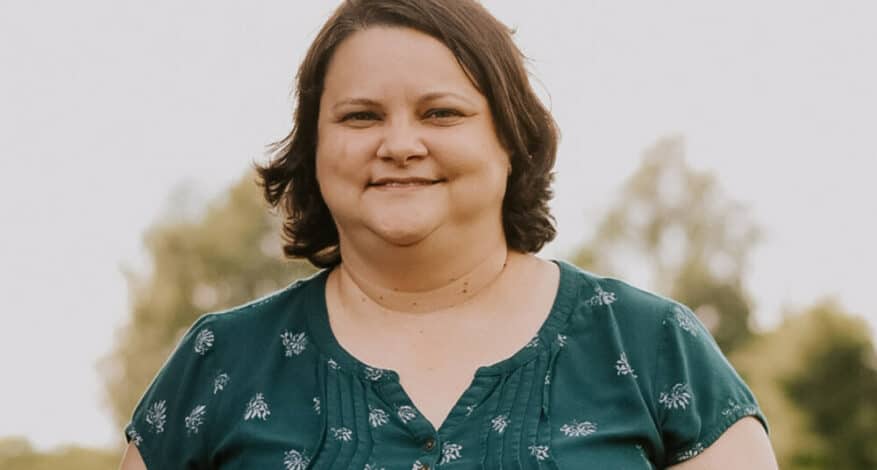
Today I am an outreach advocate at GreenHouse17 helping others find healing and hope. I facilitate our weekly LGBTQ+ domestic violence support group. I believe everyone deserves to live a life free from abuse.

I’m a certified Spiritual Director. I’ve also published a collection of poetry called Hanging Onto Jesus: A Gay Christian’s Journey of Reclaiming Faith. I share poems from each stage of my life – childhood and teenage shame, ex-gay years, and final acceptance of my identity as a queer woman of faith.

This is only part of Christy’s story, in her own words, shared with permission. 

Read the Fall 2022 Issue of Bloom

This is one article from our print newsletter. Follow the link above to read the full issue!

READ MORE
rainbow over shelter LGBTQIABlog

LGBTQIA+ Services ❤️🧡💛💚💙💜

53 years ago, the Pride Movement began with the Stonewall Riots and protests against police brutality and LGBTQIA+ oppression. 

Our mission is to end intimate partner abuse because everyone deserves love and a life free from violence! We are committed to providing inclusive and informed services.  

Many on our staff are part of the LGBTQIA+ community. Christy, our Outreach Advocate for Fayette and Bourbon counties, identifies as a survivor herself. She escaped a physical, sexual, and psychological abuser 9 years ago.   

Additional Barriers  

Christy says, “I was too afraid to call the police because, sadly, both partners in a same-sex relationship are often arrested during domestic violence situations. The LGBTQ+ community is often met with victimizing legal services; thus, there is a hesitancy to use them.”  

LGBTQIA+ survivors experience additional barriers to getting the help needed to leave an abusive relationship. According to the National Coalition Against Domestic Violence, barriers they may face include:   

  • societal beliefs that domestic violence doesn’t occur in LGBTQIA+ relationships  
  • potential homophobia and/or transphobia from staff of service providers  
  • lack of appropriate training regarding LGBTQIA+ domestic violence for service providers  
  • a fear that airing problems fuels anti-LGBTQIA+ bias  
  • the dangers associated with ‘outing’ oneself (risking rejection from family, friends, and society)    
Support Group  

Christy facilitates a weekly LGBTQIA+ support group for survivors to help others find healing and hope. Request information here 

Other Community Resources  

The Lexington Pride Center’s mission is to celebrate and empower the intersectional lives of LGBTQIA+ Kentuckians. The Pride Center is a community space to connect and find support and resources. They also put on lots of events and host the Lexington Pride Festival!   

READ MORE
rainbow over shelter LGBTQIABlog

Intimate Partner Abuse in the LGBTQIA+ Community

You have the right to safety and support – and you deserve a healthy relationship. 

The National Intimate Partner and Sexual Violence Survey finds LGBTQIA+ people experience intimate partner violence at rates similar to, or higher than, heterosexual and cisgender people.  

Isolation is a common tactic of abusers to gain power and control in a relationship. Breaking free from this isolation can be so difficult, especially if family and friends you trusted chose to become estranged when you came out. Other tactics of power and control often include the following:

  • Outing your sexual orientation or gender identity to family and employers. 
  • Portraying the violence as mutual, consensual, or normal. 
  • Denying your gender identity and/or expression. 
  • Hiding or throwing away medications and hormones. 
  • Ridiculing style and fashion that corresponds to your gender expression. 

These threats and manipulations are compounded by a lack of community resources that understand and affirm LGBTQIA+ identities. Fear of further oppression due to intersecting identities make it harder to reach out for support.

Many on our staff are part of the LGBTQIA+ community, and everyone at our organization believes you deserve to feel safe in your intimate relationship.

Have you wondered if your relationship is healthy? Do you have a friend you suspect could be suffering from physical or emotional abuse? Whether you just want to talk or you’re ready to initiate services, we will answer your call 24 hours a day, every day of the year – 800-544-2022. 

Further Reading

For common myths about intimate partner abuse in LGBTQIA+ relationships, follow the link above for an article from the Human Rights Campaign.

READ MORE
Blog

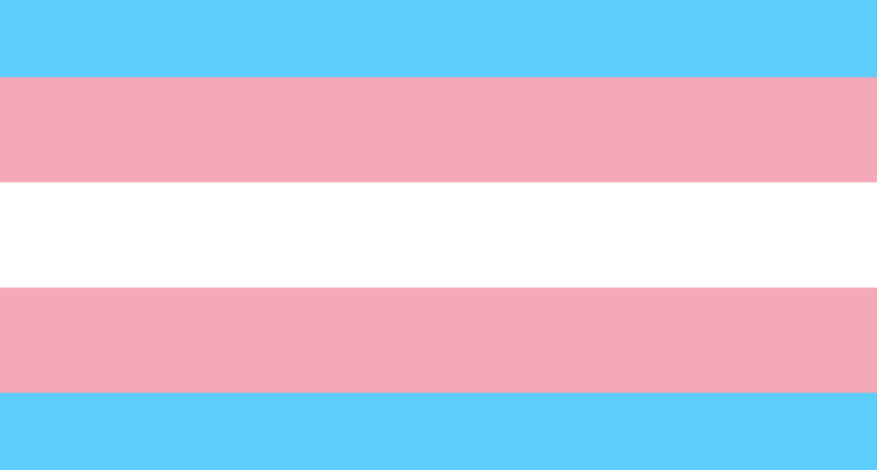
Celebrating Transgender Day of Visibility

Transgender Day of Visibility (TDOV) was founded on March 31, 2009 by Rachel Crandall as a day of awareness to celebrate transgender and gender-nonconforming people. 

This year marks the first presidential proclamation recognizing the day. In his remarks, President Biden recognized generations of activism by transgender and nonbinary people.

Despite this meaningful progress, the National Network to End Domestic Violence reminds us that our mission must do better:

Every trans person deserves respect and safety, including trans survivors of domestic violence, who often face transphobic discrimination, hate, and abuse when trying to access the resources and support they need.”

We are committed to welcoming and respectful services to support trans and non-binary people. You deserve individualized, survivor-centered advocacy that responds to your unique safety and healing needs.

You have the right to safety without discrimination based on your gender, transgender status, or gender expression. This  resource from the National Center for Transgender Equality includes answers to many commonly asked questions about domestic violence shelters.

As we reflect on today’s meaning, these images and statements from the Trans Affirmation Coloring Book by Theo Nicole Lorenz really resonate:

“I deserve to feel happy, safe, and loved.”

“My gender identity is one of the many lovable things about me.”

“My gender presentation is for me, and it can be whatever I want it to be.”

image
image
image
image

Download the Trans Affirmation Coloring Book

Made available by the author for a donation or free-of-charge, if needed.

READ MORE