police officer holding radioBlog

Lethality Assessment Program

A new program partnership will offer support in Scott County and Frankfort.

A nationally recognized Lethality Assessment Program is expanding to Kentucky, thanks to leadership by ZeroV, the state coalition of domestic violence programs, and Merryman House in Paducah.

This evidenced-based strategy developed by the Maryland Network Against Domestic Violence reduces intimate partner homicides and serious injuries.

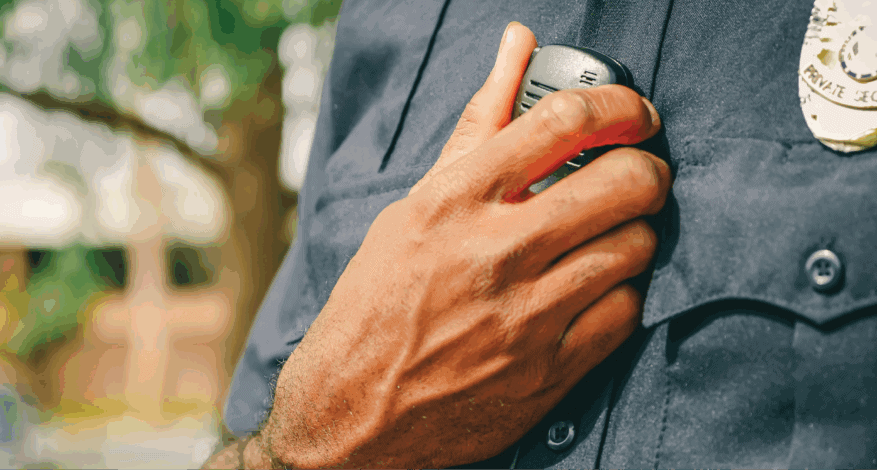
Equal partnership between victim service providers and law enforcement is a cornerstone of the program and the Scott County Sheriff’s Office and Frankfort City Police Department were eager to sign on.

The program equips these law enforcement offices with 11 screening questions to help identify victims at the highest risk of being killed by an intimate partner. When high risk is indicated, officers immediately call the GreenHouse17 crisis hotline from the scene.

Survivors will speak directly with an advocate about safety planning and available services.

“This program is proven to save lives,” says Darlene Thomas, our executive director. “We’re grateful for the partnership of law enforcement and sister organizations to bring the first Lethality Assessment Program to central Kentucky.”

Read the Summer 2025 Issue of Bloom

This is one article from our print newsletter. Follow the link above to read the full issue!

READ MORE
police officer holding radioBlog

The Recent Domestic Violence Mass Shooting in Lexington

The recent domestic violence mass shooting in Lexington was devastating.

We hold the families of Beverly Gumm and Christina Combs in our hearts—as well as the wounded and their faith community. We grieve and stand with you. 

In the days and weeks ahead, hard questions will be asked. How could this tragedy have been prevented? What warning signs were missed? What more could’ve been done and by whom?   

“There is also a need for self-reflection among all of us,” says Darlene Thomas, GreenHouse17 Executive Director, in an interview with Linda Blackford of the Herald-Leader. “It often feels like the people held responsible are the victims themselves, and we blame them — they should have had a safety plan, etc. — instead of focusing on the problem. We as a society need to start taking the responsibility off victims and onto batterers.” 

We owe it to the victims and each other to answer those questions while acting on what we already know: 

Domestic violence always has the potential to turn lethal. The threat is very real for the abuser’s current partner, previous partners, the children and families of those partners, law enforcement, victim advocates, and our community at large. 

Domestic violence is a pattern of power and control. The danger increases when the abuser believes that power is slipping away.  

Ending a human life is the ultimate act of control. When an abuser has access to a gun, the risk of homicide increases five-fold. A history of domestic violence or harming family and intimate partners has been found in 68% of mass shootings in the United States. 

Our hotline – 800-544-2022 – is answered 24 hours a day, every day of the year. Our specially trained advocates can help safety plan if you or someone you know is being abused, threatened, stalked, or harmed by a partner.

If you’re a survivor of domestic violence, you may be feeling triggered or more scared about your safety. Our advocates are available for you, too, whether it’s been months or years since you survived the abuse.

Read more.

Click the link above to read Linda Blackford's article.

READ MORE
two people embracing outside21 Years

Supporting Your Loved Ones

When someone you love is being abused, the dynamics can be very complicated. We sat down with our executive director, Darlene, to share advice on common questions from families of survivors on our hotline.

How should I act around an abuser?

I believe it’s important to be cordial. They’re still human beings. That doesn’t mean you have to condone their behavior or agree with it. It’s important for the survivor, because when you’re not cordial, the abuser may use that as a way to further manipulate and control their partners. 

It’s hard for family and friends. You don’t really know what to do because you don’t want to lose the person you love. 

Families also need to remember they don’t cause somebody to be abusive. The abuser is already using their tactics day in and day out on the person that you love and care about. You can’t create those dynamics, but the abuser will use those dynamics in order to excuse or justify their abuse because they’re really good at playing the victim. 

I know someone has a history of abuse or that my family member is being abused, but most of the extended family doesn’t. Is this something they need to know if they’ll be around for family events?

I think you have to weigh out the pros and cons. Ask yourself how does it benefit everybody to know? Also, sometimes it can be helpful to pull in influential folks. For example, I might not listen to my mother, but let my grandmother tell me something and it might hold more weight.  

But if something has happened, we’re worried for our loved one’s well-being, or they have fled for their safety, at that point in time, it’s important to keep family members informed.  

Sometimes family members might be upset they didn’t know before, and you can remind them that you were honoring your loved one’s request and trying to keep the peace. 

What are some things we can say to let our loved one know we’re here for them?

You can always say, “I know what’s going on. I’m worried for you. I’m worried for your safety. We are always here, and we love you. Don’t ever think you have gone so far that you can’t come out.”  

That’s really important for a survivor to hear. A lot of the time, survivors have defended and stood beside the abuser, and now to say that everybody else was right can be really hard. So, they’ll hold on tighter in many ways.  

So it’s important for family members to avoid saying, “I told you so.” Instead, do your best to communicate that you are there to support them.   

My family member is dating someone with an abusive past. Can they change?

Can people change? I have to believe on some level that yes, people can change. Do abusers change? Not much.  

I think abusers adapt based on the situation they’re in, what they can get by with, and how far they can push. It depends on the survivor, their background, their history, their strengths, and their weaknesses. It can look a little different from one victim to another. 

What most people don’t understand is just because you’re not seeing the abuse now doesn’t mean it’s not going to happen. 

Abusers don’t start to show who they are until they’re comfortable knowing they have you hooked enough. That could be living together, marriage, or your first child together. The abuser is grooming, waiting, and learning about their situation. Then they’re going to adapt to that as necessary.  

It’s very rare you see an abuser accept responsibility for their behavior and they have a tendency to blame everybody else for why it happened.  

What if they’re in therapy? Can that help them change?

When an abuser goes to therapy – whether individual or couples therapy – they’re often treated for anger issues if the therapist doesn’t understand intimate partner abuse, histories of domestic violence, power and control, and other dynamics.  

Sometimes while in therapy, abusers learn different behavioral options versus physical violence. That is not addressing the realities of intimate partner abuse, which is power-based violence.  

Domestic violence is not about anger. People who abuse their intimate partners are often able to control their anger with other family members, at work, and with friends.  

I’m not going to say somebody can’t make a decision to be different. They can, but not without some serious intervention and ownership over their behavior, with some real years showing they can do things differently. In my career, I find that a rare occasion for those that do harm. 

How does an abuser manipulate those around the survivor?

If an abuser can manipulate the loyalty or care of the family, then they’ll do that. And if that doesn’t work, they’ll turn around and undo it. But if it works, that’s the best-case scenario for the abuser.  

Survivors might think, “If everybody else likes them, then I must be crazy. Everybody else likes him, he’s a good guy. They’re all saying he’s trying, but yet these things are happening to me. So maybe it’s me, maybe I should be better.”  

Family and friends need to stay focused on behavior, not words.  

Abusers can say all the right things like, “Oh, I just love them. I’m trying my best. I’m not perfect, but she’s not perfect either.” They know what to say, how to minimize, how to charm people, how to twist the story around just enough to make people have some doubts.  

And people are imperfect. Survivors are imperfect so they will not always say the right things or do the right things or react to whatever people perceive is the right way of what they’re experiencing. 

Is there anything else you would like to share about complicated family dynamics?

I’d like to validate that it’s a difficult balancing act because it sometimes calls into question your own integrity.  

As family, sometimes we have to say to ourselves, ‘I can play this game, because I love you and I’m going to be here for you no matter what. It’s going to get difficult. This person might try to tear you from me, or try to interfere in our relationship, but I’m not going to let it happen.’  

I want to tell families it’s hard. You can’t swoop in and try to be the hero because it could further do harm to your family member or isolate them even more. 

It feels a little helpless sometimes. What we need to be careful of, though, is not to blame the victim. It’s everybody’s individual journey, and all you would hope for in the end, when they really need you, they’re going to come to find the people they feel safest with.  

I think you should be telling the people you love what you see and are worried about in a supportive way. The message should be, “I’m worried for you. You deserve better. If you’re that uncomfortable, you need to trust yourself. What do you need help with?” 

If people have questions, they should call our hotline. You don’t have to be the victim to call hotlines and get support.

READ MORE
merry who used our hotline for advice21 Years

24/7 Crisis Hotline

Our 24-hour crisis hotline is answered every day of the year.

Merry’s Story 

Merry is a survivor of intimate partner abuse. Her mother encouraged her to call our hotline.  

“I don’t remember who I talked to, and it was a short conversation. They gave me a lot of advice that I wish I’d taken. It was such a pivotal moment because I had looked at your website so many times over the last few years and questioned ‘is what I’m going through abuse?’

I talked to a lot of people who go through the same thing. They’ll look at that website for months before they decide to call. I think it’s a mental unraveling and acceptance of the situation that you’re in. Because your brain is trying to protect you in that environment so you can keep going. 

The call made me realize I’m a victim of what’s happening to me and I don’t have to accept it anymore. It was huge.” 

Common Questions 

Our hotline receives an average of 15-20 calls each day. You will speak to a compassionate Certified Domestic Violence Advocate who wants to support your specific needs.

Do you have space at the shelter?

Although the shelter has 42 beds, our capacity is always changing. If we aren’t able to provide space at any time, we rely on a strong network of temporary shelter solutions.  

Can my kids come to the shelter with me?

Yes, our shelter is a kid-friendly space. We have a special advocate focused on supporting children and youth. The shelter property includes a fenced playground and lots of swings. 

What about my pets?

Our shelter facility and rural property is pet-friendly. We also have partnerships to help with medical care of pets that have been harmed from abuse. Sometimes the shelter isn’t a good fit for family pets. If this is the case for your pet, we can help identify a temporary caregiver who is dedicated to fostering pets of survivors. 

Can someone come to court with me?

Legal advocates attend family court every day that a domestic violence case is being heard in all 17 counties we serve. 

What support groups do you offer?

We offer many support groups for survivors, and most are available online via Zoom. Find more information here. 

17 Counties 

Some people who need assistance don’t reach out because they don’t need emergency shelter. You don’t have to come to the shelter to receive services.  

Staff of our organization live and work in all 17 counties of our service area – Anderson, Bourbon, Boyle, Clark, Estill, Fayette, Franklin, Garrard, Harrison, Jessamine, Lincoln, Madison, Mercer, Nicholas, Powell, Scott, and Woodford.     

A hotline advocate will connect you with your county’s advocate. Even if you aren’t in these counties, we can direct you to the designated service provider for your area. 

Call us anytime.

800.544.2022

READ MORE
Tiffany in front of flowersBlog

Shelter Life – Welcoming Phase

Walking into shelter for the first time can be a very scary experience.

Our advocates are always here to greet new families, answer crisis calls, and safety plan with survivors ready to flee.

Although every survivor’s journey after fleeing abuse is unique, our shelter services are designed around three phases of shelter life — Welcoming, Healing, and Launching. This will be a 3-part blog series that explores common activities during each phase. 

Welcoming 

“Welcoming is all about loving on you, showing you around, and giving you resources,” says advocate Tiffany.

When a survivor is coming to shelter, Welcoming Advocates get their room prepared and make a welcome bag with toiletries, hair products, washcloths, towels, and comforting items like fuzzy socks.  

When the new resident arrives, a Welcoming Advocate will give them a tour and introduce them to staff members.  

Intake

After they get settled in, it’s time for an official intake. An advocate will talk them through what community living is like at shelter.  

They’ll talk through the groups offered at shelter like Uke Can Do It and farm Make It Take It groups

Documentation & Court

A large part of a Welcoming Advocate’s job is making sure basic needs of survivors and their children are met so healing of physical and emotional wounds can begin. A lot of survivors must flee quickly, leaving everything including their social security card and driver’s license.  

Sometimes a survivor needs help with the emergency protective order (EPO) process and will need to go to court. The Welcoming team can help with this and get them connected with one of our Legal Advocates

What’s Next? 

If a survivor can move out of shelter to their own space, Welcoming Advocates will work to connect them with community resources like storage and moving companies. Sometimes the sheriff’s office will be able to install ring cameras at their new place for safety. 

If a survivor needs more time to get on their feet, they move on to phase 2 – Healing

Call us anytime.

24-HOUR HOTLINE 800.544.2022

READ MORE
five people embracing each otherBlog

Losing a Loved One to Intimate Partner Abuse

If you’re reading this and have lost someone to intimate partner abuse, we’re so sorry for your loss.  

Friends and families of domestic homicide victims often self-blame and sometimes experience survivor’s guilt. Darlene Thomas, our executive director, has supported countless friends and family through grief.  

“It’s normal for families to question and hold themselves responsible,” shares Darlene. “But you’re not to blame. The only person to blame is the abuser.”  

Stages of Grief  

Do you feel shocked or angry right now? Maybe you’re questioning how this happened to someone you love.

Most friends and family will experience these standard stages of grief, but the journey is not always linear:

Denial
Anger
Bargaining
Depression
Acceptance

Feeling stuck in one stage or bouncing around the stages happens often.

This article from the Cleveland Clinic is a good place to start if you’re interested in reading more about the stages of grief.

Power and Control Wheel    

After some time has passed, exploring the dynamics of intimate partner abuse can help friends and families navigate the complexities of grief.   

The Power and Control Wheel, developed many years ago by advocates in Minnesota, provides examples of the ways abuse affected the life of your loved one. Some of the examples leave visible marks, but most are purposely hidden and difficult to recognize.   

It’s important to remember that many tactics of power and control are meant to manipulate and confuse people who supported the victim.  

Your voice matters.   

Sharing information and raising awareness can be helpful in the healing journeys of friends and family.

This link from the CDC discusses types of abuse, how common intimate partner abuse is, other statistics, and how to prevent it – like understanding and promoting healthy relationships.  

It’s okay to be more private about your loss, too. Public discussions can be re-traumatizing, especially for those of us who identify as introverts. Talking about your grief with trusted confidants is helpful, too.

Other Resources    

The Kentucky Center for Grieving Children & Families offers support groups, training in youth bereavement, and hosts a weekend camp for children who have experienced loss.   

The US Department of Justice has this handbook titled Coping after a Homicide. It covers reactions, helping children cope with grief, and the criminal justice system.  

Further Reading

This article from DomesticShelters.org is a great resource 💜

READ MORE
older lady posing for cameraBlog

Abuse Later in Life

It’s Older Americans Month and when it comes to intimate partner abuse, there is no age limit.  

The National Clearinghouse on Abuse in Later Life (NCALL) defines it as willful abuse, neglect, abandonment, or financial exploitation of an older adult who is age 50+ by someone in an ongoing, trust-based relationship with the victim.  

Sherry Huff Culp from Nursing Home Ombudsman Agency of the Bluegrass says, “The aggressors include spouses and former spouses, partners, adult children, extended family, and in some cases caregivers. Often abusers threaten survivors with nursing home placement if they tell anyone about the abuse. Some abusers use their role and power to financially exploit their victims. Others feel that they are entitled to get their way because they are the “head of the household,” or because they are younger and physically stronger than their victim is.” 

People being abused later in life face unique challenges. They may be more dependent on their abuser for basic needs or have a harder time leaving their home to seek help.   

Get Help 

If you’re suffering from abuse later in life, Certified Domestic Violence Advocates are here 24 hours a day, every day of the year to talk and answer your questions. Call us at 800-544-2022. 

If you’re in an abusive situation and ready to leave, but you’re the caregiver for an elderly family member — we have a special room at shelter just for this type of circumstance that can fit a medical bed and has its own bathroom.  

Further Learning

Abuse Later in Life Power & Control Wheel

READ MORE
How to Support Someone Who is Being Abused holding handBlog

How to Support Someone Who is Being Abused

How can you support someone who is being abused? Listen. Believe. Empower. Be informed. 

Learn & Listen

First, remember the abuse they are suffering is rooted in isolation, power, and control. Your role is to help them make their own decisions, not rescue them. Educate yourself on the power and control wheel.  

Believe the stories they tell you. Listen more than you talk. Avoid saying what you would do.  

Safety Plan

Say you are really worried about their safety and ask if they have a safety plan.  

Become familiar with things to consider when making a safety plan. Suggest that they call our 24-hour hotline to speak with an advocate. You can call us, too. We are here to answer questions and help you support your friend or family member. 

Not Just Shelter

Intimate partner abuse programs like ours aren’t just about emergency shelter. Certified Domestic Violence Advocates can help safety plan, help survivors through the emergency protective order process, accompany survivors to court, help with housing, connect them with support groups, plan next steps, or just talk.  

Remember Leaving Isn’t Easy

Always respect your friend or family member’s decision, even if they decide to stay. Sometimes it’s because leaving will be too dangerous right now. 

There are many reasons for not being able to leave – having nowhere to go, fear, financial insecurity, threats to themselves or their children or pets. Leaving the relationship is often the most dangerous time for the survivor.

Call us anytime.

24-HOUR HOTLINE 800.544.2022

READ MORE
sign that says helloBlog

24-Hour Hotline

You deserve to be supported.

Our 24-hour crisis hotline is answered every day of the year. You will speak to a compassionate Certified Domestic Violence Advocate who wants to support your specific needs.

800.544.2022

Together, we can develop a safety plan that meets the specific needs of you and your children. Find emergency shelter with us or a partner shelter. Make plans for an advocate to accompany you to upcoming court appointments. Share information about nearby support groups.

You might not be ready to leave or want to know more to support a friend. That’s ok. We are here to listen, too. Please call us if you or someone you know is being harmed.

You deserve healing.

24-HOUR HOTLINE 800.544.2022

READ MORE
Safe Scrabble LettersBlog

Safety Planning

This is a list of general safety considerations if you or someone you know is being harmed. 


Every situation is different. Trust your instincts. If something on this list seems like it could cause danger for you, don’t do it. Remember you can call our 24-hour crisis line at 800.544.2022 anytime, any day. Our advocates are available to support you. Together, we can tailor a safety plan to meet your specific needs.

  • If you are in immediate danger, call 911.
  • Use caution if you share a computer or mobile phone with the abuser. It’s impossible to completely clear your browser history. If someone wants, they can monitor the website your visit and the calls you make. If this is a concern, please consider using a computer or phone of a trusted friend.
  • Tell a trusted friend or family member. Abuse thrives in silence and isolation. Telling someone about your situation may be difficult, but taking positive action to end the abuse is easier with support.
  • If you have children, discuss an age-appropriate safety plan for when you are not with them.
  • Choose a code word to use with your children, family, friends, and neighbors so they will know when to call 911 for you.
  • If you have a protective order, keep a copy of the document with you at all times. Make a copy for a trusted friend or family member to keep for you.
  • If you don’t have a protective order, consider filing for one. We can help you with this process. Even though a protective order is not a guarantee of safety, serious consequences for the abuser can result in greater safety for you.
  • Decide and plan where you will go if you need to flee quickly. Practice how to get out of your home safely. If you are in fear for your physical safety, go to the home of a friend, relative, neighbor, or to a shelter for victims of intimate partner abuse.
  • Open a savings account in your own name. Ask a trusted friend or family member if you can use their address for mailings.
  • Prepare a bag with copies of important documents, extra medicine, clothing, and some money. Leave this bag with someone you trust.
  • Decide if you will inform your employer and colleagues at work about your abuser. If possible, provide them with a photograph of this person.
  • Consider having someone escort you to your car or wait with you at the bus stop.

Breathe in courage. Exhale Fear.

24-HOUR HOTLINE 800.544.2022

READ MORE