Food for Thought
Access to nutritious food plays an important role in safety, stability, and long-term wellness after abuse.
Survivors of intimate partner abuse face higher risks of food insecurity when fleeing abuse, making access to nutritious meals essential.
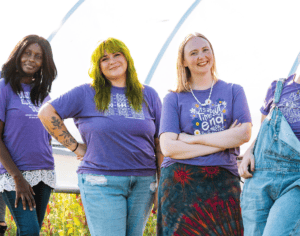
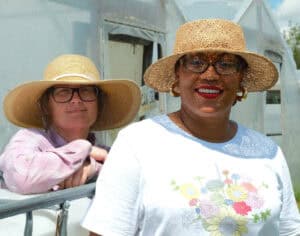
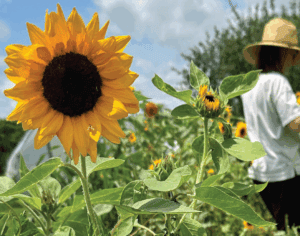
Daily meal services, cooking workshops, a healthy eating support group, and gardening help residents build confidence and skills around food.
“It has given me a greater appreciation for the food we eat — planting, watching it grow, and then harvesting and eating it,” shares a shelter resident.
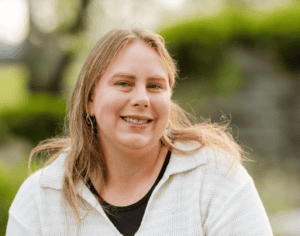
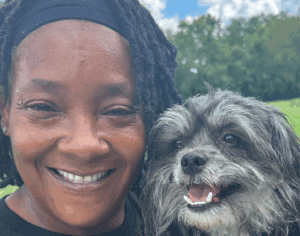
Nutritional intake assessments by our food and nutrition advocate, Finley Yuttayong, take place soon after coming to the emergency shelter.
“Sometimes I learn that they simply love to cook and would feel more at home helping me feed the house, and sometimes they’ve had years of severe food trauma and need more support with that,” explains Finley.
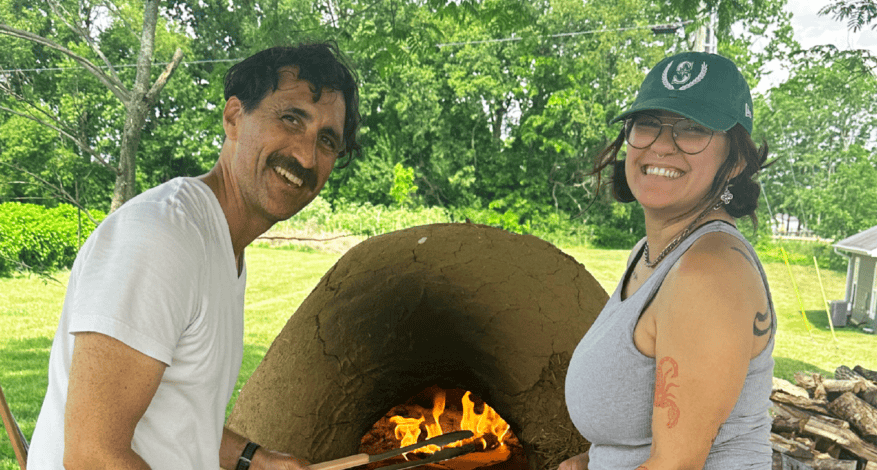
Food is also a source of connection. Recently, residents and staff have been coming together under the farm pavilion to bake homemade pizzas, made possible by a cob oven
that was built with the help of residents and volunteers.
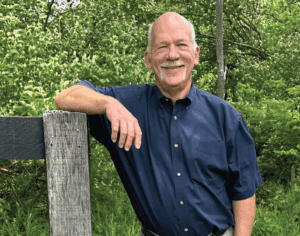
After attending training on building cob ovens at the Mud Dauber School of Natural Building last year, Ryan Koch, our nature-based healing advocate, brought the vision to the farm.
“We wanted to create more opportunities for people to be outside and enjoy what’s going on in nature,” Ryan shares. “It’s been a joy.”
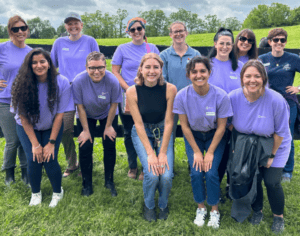
From gardening to special projects like the cob oven, volunteers help make healing in nature possible for survivors. Current opportunities are listed here.