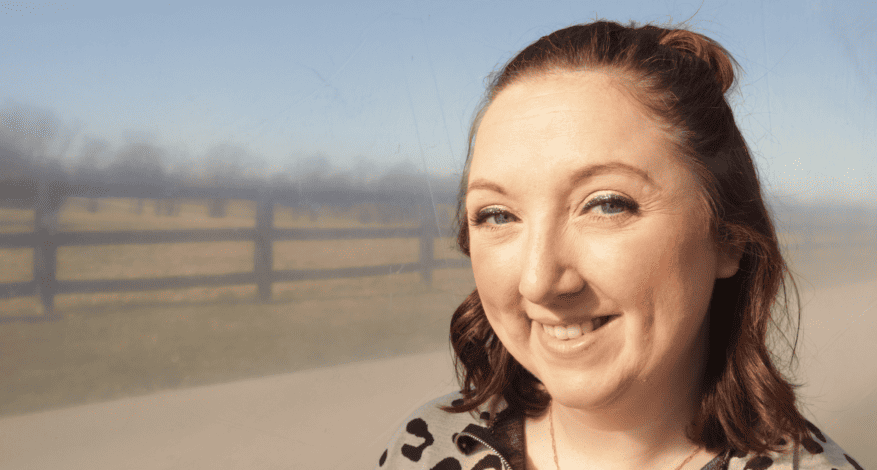
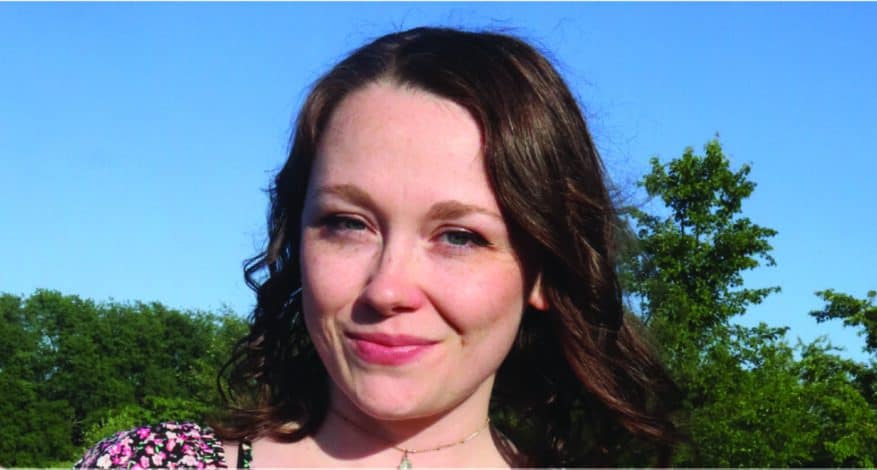
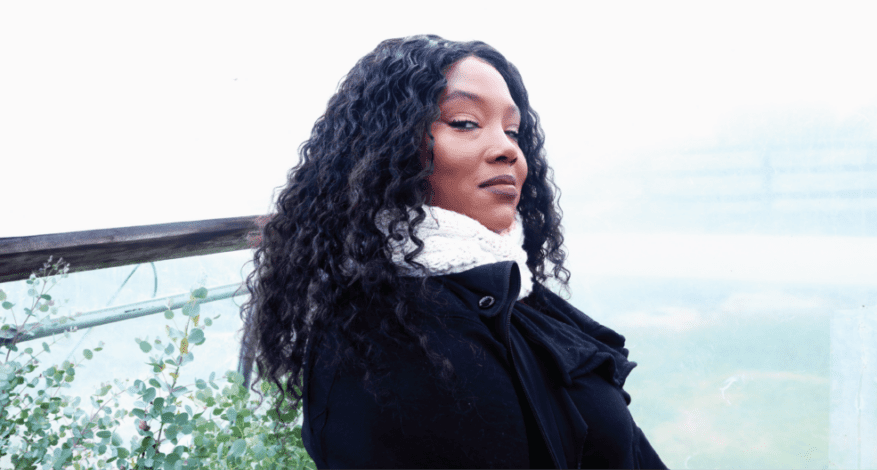
Shannon standing in hoop houseBlog

Shannon’s Story

“This was someone I let into my heart, my home, and around my son.”

I met this guy who seemed like a southern gentleman, and he made me feel like the luckiest girl in the world. It truly seemed like a dream come true.

Until it all changed in the blink of an eye. One night, he was going through my messages on my phone without my consent.

When I asked what he was doing and why, his demeanor and tone changed. He turned into a completely different person.

He gets in my face and says, ‘You need to delete all social media right now. You’re not allowed to talk to anybody.’

I was in shock. I wasn’t sure how to respond and said, ‘You need to pack your stuff and leave.’ I wanted to defuse the situation before it got any worse.

Over the next couple of days, we talked on and off. One moment the conversation would be, ‘I’m so sorry, I’ll change,’ and the next he would say, ‘You’re a whore, you’re a slut.”

It only got worse from there. It started with a property complaint, and two officers showed up.

I got a restraining order. That made him even more mad. He told me to watch out because he had connections that would come after me.

He was also texting my family members and reaching out to my friends on Facebook, saying none of this was his fault. He placed all the blame on me.

He got ahold of my child’s father. They collaborated to file an emergency protective removal order, trying to take my son away from me.

We had to go to court multiple times, and everything got dismissed. The judge ordered my abuser to get help and mandated he take classes.

I still can’t say I feel safe, but it does get better. My chapter ends with my advocates staying by my side and guiding me through all of this.

I hope that my story will help just one person. What scares me the most is the unknown and the thought of this happening to somebody else.

I want to share my story. The more we talk about our experiences and share our stories, the more we get to spread awareness.

Don’t be afraid to ask for help. Reach out before it’s too late.

This is only part of Shannon’s story, in her own words, shared with permission.

Read the Spring 2024 Issue of Bloom

This is one article from our print newsletter. Follow the link above to read the full issue!

READ MORE
Blog

Remembering Lydia

“There is no normal anymore. You’ve got to find the new normal.”

Early last year Lydia Cassady, a devoted mother of two teenagers and a certified clinical medical assistant, was preparing to flee the abuse of her longtime partner and father of her children. He shot and killed her in their home before she could escape.

“She was my younger sister, 12 years younger, so I kind of raised her,” shares Carolyn Hundley. “She was so creative. If you needed something fixed, an outfit made, a wreath for your door, she could do it. Lydia’s middle name was Blanche, so everyone called her Aunt B. She had tons of stuff with bumblebees on it.”

After Lydia’s death, Carolyn received a call from an advocate at our shelter offering support. Darlene, our executive director, attended Lydia’s funeral service, an act of kindness that touched the family.

With every tragic loss, loved ones are left to grieve while trying to understand the violence.

I think with anyone close to these situations, there’s guilt,” shares Carolyn. “My grief group tells me all the time, ‘you can go there, but you can’t stay there.’”

“We find the strength to continue without her by working to help others.”

The Kentucky Coalition Against Domestic Violence estimates domestic homicides related to intimate partner abuse increased 86% last year. Please reach out to our 24-hour hotline if you or someone you know is being abused: 800.544.2022.

image
image
image
READ MORE
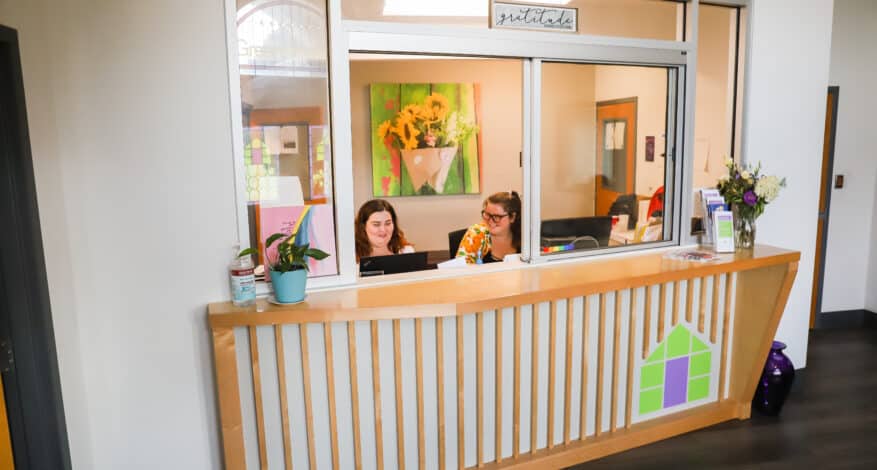
two people at front deskBlog

Shelter Life – Healing Phase

Walking into shelter for the first time can be a very scary experience.

Although every survivor’s journey after fleeing abuse is unique, our shelter services are designed around three phases of shelter life — Welcoming, Healing, and Launching. This is part two of a 3-part blog series that explores common activities during each phase.   

Healing 

“When clients first come in, they work on immediate safety goals – getting all their documents and making sure they have everything they need to basically start a new life,” says advocate Alyssa. 

“When they get to Healing, we work on long-term goals like employment, counseling, housing, legal advocacy, and setting up referrals to the community so they have support systems.” 

Advocate Kristen adds, “And also the emotional aspect of processing what brought you here. After you’re safe and have time to rest, all these feelings and realizations start coming out about your past trauma and we’re here to talk about that and find outlets that work best to regain self-sufficiency.” 

First Meeting 

During the first meeting with their Healing Advocate, survivors discuss their long-term goals during the remainder of their stay at shelter such as finding a job, housing, and transportation.  

Healing Advocates also talk through the survivor’s history and help them process their trauma. 

“We’re listeners and keepers of their stories while we work towards safety for their families,” says Alyssa. 

After the initial meeting, survivors and Healing Advocates meet at least twice a week to work towards their goals. 

Goals 

An important part of the Healing phase is making sure people are connected with support systems in their community like Legal Aid of the Bluegrass and the Children’s Safe Exchange and Visitation program.  

Every survivor’s healing journey is different, but common goals include reaching financial independence, going back to school, working out schedules for their children, and finding a therapist. 

What’s Next? 

When survivors are ready to begin their transition out of shelter, they move on to phase 3 – Launching.

Call us anytime.

24-HOUR HOTLINE 800.544.2022

READ MORE
Blog

Colorful Expressions

 
“There’s something very healing about making something with your hands.” 

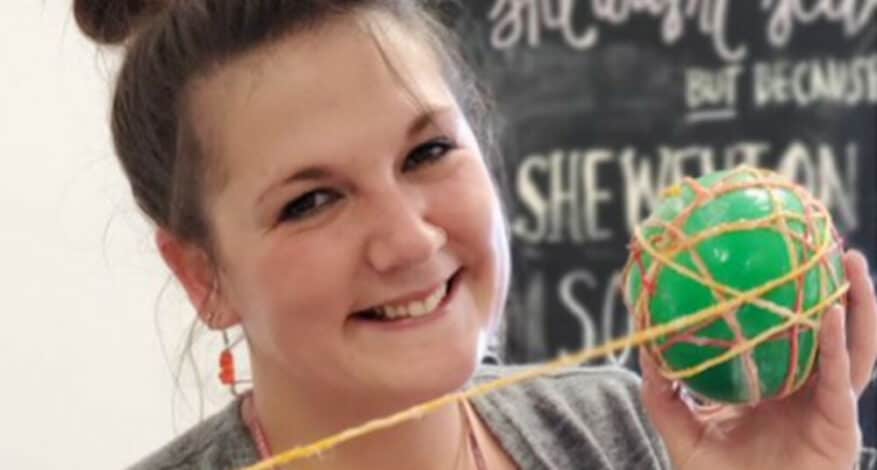
Making art can help survivors of intimate partner abuse find their own path to healing. That’s why advocate Kristen hosts a weekly art group.  

Like the nature-based healing approach of our farm, artmaking improves feelings of well-being and self-worth. Making art with other survivors encourages connection, reducing the frequent feelings of isolation some survivors experience.  

“It’s so awesome to see survivors change their perception of the world through art,” says Kristen.  

Kristen has introduced more artmaking experiences this year thanks to the Art Meets Activism grant through the Kentucky Foundation for Women.  

The generous grant supported training for her to become a certified facilitator of trauma-informed art workshops, while also providing funds for materials, equipment, and offsite artmaking experiences for survivors.  

“We’re exploring different mediums and ways to express trauma, emotions, and using it as a tool to rediscover oneself,” she shares.

Read the Fall 2022 Issue of Bloom 💜

This is one article from our print newsletter. Follow the link above to read the full issue!

READ MORE
Michelle's story bloom cover21 Years

Michelle’s Story

“He would give me a lot of attention, something I wasn’t used to.”

We met in 2009, but we didn’t really start dating until the beginning of the following year. It was a bunch of love bombing at first. Then his drinking started coming out and verbal, mental, and emotional abuse started showing up.

I would try to make friends but couldn’t go anywhere alone. Any appointments, he had to be with me. I wasn’t allowed to go around my family, which I was having trouble with anyway.

They’re also abusive in their own ways. I didn’t really recognize all the stuff that he was doing because it was normalized in childhood. It felt like home.

There were a few times I tried to leave. He would buy me all kinds of jewelry and flowers—doing the whole “I‘ve changed”—until I told him I didn’t want to have sex with him.

He started accusing me of poisoning him. Turned out he was doing that to me. I would get really sleepy and wake up with him raping me. When I finally said no more to the sexual abuse, it was way worse than before.

He had linked my phone to his, so he could see all my messages. He was trying very hard to buy a gun. I feel like he was planning on killing me. He threatened to kill one of our cats right in front of the kids.

My sister found out about this place. I got a DVO (protective order) for three years, no contact. He hasn’t shown up for any court appearances.

I feel all the love for the first time ever in my whole life. I’m soaking it in.

I’m starting a work-from-home job and we’re moving into transitional housing soon. I’m 32 and like, yes, this is what I deserve.

You don’t deserve to be abused. Even if it’s not physical, if you feel like it’s wrong, even if you’re told it’s not—leave. You don’t have to stay.

This is only part of Michelle’s story, in her own words, shared with her permission.

Read the Summer 2022 Issue of Bloom 💜

This is one article from our print newsletter. Follow the link above to read the full issue!

READ MORE
Blog

Art Meets Activism

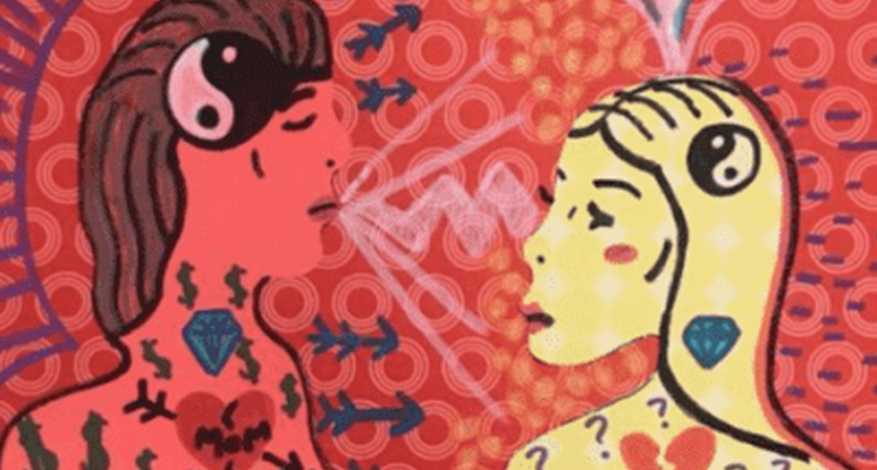
Making art can help survivors of intimate partner abuse find their own path to healing 🎨

Thanks to the Art Meets Activism grant through the Kentucky Foundation for Women, survivors have been able to participate in many different trauma-informed artmaking projects!

The goal of these artful healing activities is to help survivors heal emotionally. Like the nature-based healing approach of our farm, trauma-informed artmaking improves feelings of well-being and self-worth. Making art with other survivors also encourages connection, reducing the frequent feelings of isolation some survivors experience.  

The foundation’s funding supports the purchase of artmaking equipment and supplies. Survivors have also attended classes at Kentucky Mudworks and Cut & Paste Art Studio the past few months thanks to the Art Meets Activism grant.

image
image
image
image
image
image
READ MORE
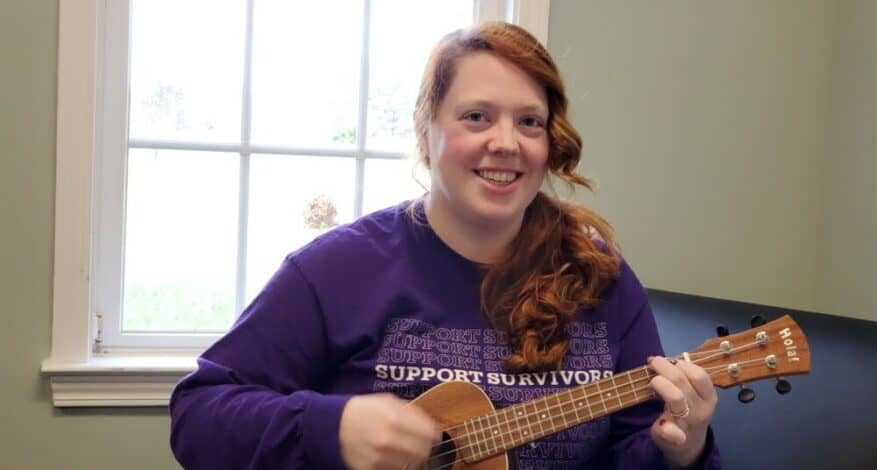
morgan holding ukuleleBlog

Healing through Music

Sometimes you’ll hear empowered singing and song playing echo down the halls of our emergency shelter.  

Healing through music is helpful for many people who have experienced trauma. Advocate Morgan hosts weekly ukulele sessions for survivors at shelter called, “Uke Can Do It.” It provides a safe space for survivors to express, process, and take back their power.

Morgan’s Background 

Morgan has always loved music and participated in choir from 4th grade through college at Morehead State. She was even a part of the choir that won the 2014 Mayo International Choral Festival in Ireland! 

While Morgan was working towards a music therapy degree at UK, she had a family violence class where Diane, our associate director, spoke. The talk really stuck with her and she switched her degree to a masters in social work.  

Her 2020 practicum was here at the shelter and she was hired as an advocate after she finished school. Morgan recently took a new position as the Children’s Advocate but is excited to keep doing the ukulele class for adults at shelter.  

Uke Can Do It 

Morgan enjoys picking out the songs she teaches to survivors. She looks at not only the song’s impact but also the message of the artist. In a recent class, the song learned was Elton John’s I’m Still Standing. Morgan and her mom recently went to the Elton John concert and she was inspired. 

At the end of each session, she saves time for lyric analysis.  

“Don’t you know I’m still standing better than I ever did?
Looking like a true survivor, feeling like a little kid
And I’m still standing after all this time
Picking up the pieces of my life without you on my mind”

The prompt to get a conversation started was, “For the people in your life who doubted you, what would you say to them?” 

Morgan says residents leave her sessions with a feeling of accomplishment. They learn so many things at once – chords, finger placements, reading music. She reminds them how much they accomplished in an hour, think of what you can do with a whole day! 

She also makes sure survivors know they don’t have to play. They can just listen and join in on the conversation if they want. Morgan often brings in her drums, tambourines, and shakers for those who aren’t yet comfortable learning a tune on the ukulele.  

ukulele and I'm Still Standing chords on music stand
READ MORE
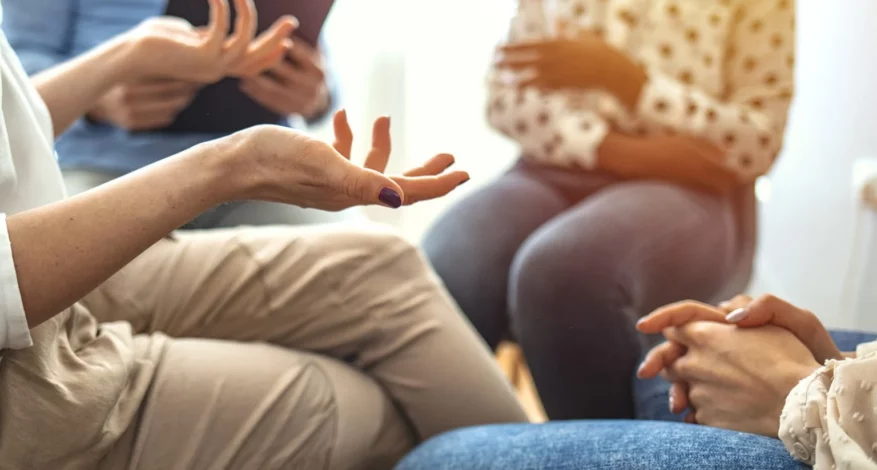
support group sitting downBlog

Support Groups

Surviving intimate partner abuse is a traumatic experience and it helps to have a safe place to talk about it. 

Support groups offer a safe and caring space so you don’t have to heal alone. You may not have many friends or family you can turn to for support, or maybe you’re having a difficult time trusting or relying on them right now. We know everyone’s story is different, but sometimes sharing with others who have been through similar experiences can offer comfort. 

Some benefits of support groups include the following:  

  • Feeling less lonely or isolated  
  • Talking openly and honestly about feelings  
  • Connecting with others who have shared experiences  
  • Improving coping skills  
  • Staying motivated   
  • Improving hopefulness  
  • Receiving practical feedback  
  • Learning about new resources 

It’s important to note the difference between a support group and group therapy. The term therapy usually means an intervention related to a physical or mental medical diagnosis. Support groups are gatherings of people with shared experiences. Our groups are facilitated by a Certified Domestic Violence Advocate.  


Our Support Groups
 

Most of our groups focus on common survivor experiences, but some focus on specific topics, such as co-parenting or finance matters. Both in-person and online meetings are available. 

You are not alone. It can be a struggle to talk about your story. Join a community of people who have experienced similar life events. You will get through this and you will heal.

READ MORE
21 Years

Takiyrah’s Story

“It’s not over, but I also know I’m not afraid anymore.”

I was established in Chicago. I had my own childcare facility, condo, and car. I was in college at the time and wasn’t into the whole dating scene.

He was super persistent and very handsome. He just wore me down. It was a typical relationship in the beginning. But there were little red flags.

He was very jealous. I just brushed it off because in the African American community, having a jealous boyfriend is a win. Then he started popping up at my house at 3 in the morning—popping up at my job.

I told him it’s over but found out I was pregnant. He came to my house and said, “You’re stuck with me until the child is 18.”

When I had my daughter, I moved an hour away. It was my first attempt to get away from him. Everything settled, but I began to feel like somebody was watching me.

Then I saw him one day. It was like seeing a ghost. He was living in a building across from mine. He could see my bedroom light and when I came or left.

He started showing up at my apartment. I called the police so many times. I would yell and scream. No one would help, even though my nose is busted and my eyes are black.

By the grace of God, I finally got an EPO and moved to Lexington. On lunch at work, I met this girl who told me about this place. A conversation with a stranger can change your whole life.

I got a call one day at my hotel. It was him. GreenHouse17 moved me to a different hotel and said we have a room at shelter.

They helped me heal physically and mentally. You don’t have to have all the answers. There’s still trauma and pain there. I know that I have a team of people. If I need anything, they will support me and my children. It’s not over, but I also know I’m not afraid anymore.

This is the first time I can tell my story and not cry. I want to show my son that’s not how women are treated. I want my daughter to grow up and recognize red flags. I will not let my children be victims. My strength, my faith, is about breaking the cycle – not just for my family, but for any woman and any woman of color.

This is only part of Takiyrah’s story, in her own words, shared with her permission.

Read the Winter 2022 Issue of Bloom 💜

This is one article from our print newsletter. Follow the link above to read the full issue!

READ MORE
21 Years

Rose’s Story

“Trauma is not always visible, and it’s easy to get lost.”  

They learn how to gain control over you, get inside your head, and make you feel less than what you really are. I don’t want nobody to ever be in that position, definitely not one of my girls.  

When things started to cave in on me, I went to a local homeless shelter, and from there my caseworker connected me with GreenHouse17. I was very humbled to realize how bad of a situation I was in with him. It helped me to realize he was a toxic person.  

I was able to transition into an apartment on the backside of the facility, and from that moment things started getting better for me.   

A door was opening, which made it possible for me to go back to school and get my Medical Administrative Assistant and EHR certificate. I’m very proud that I graduated in October.  

Though at first, there were a lot of issues because I didn’t have a car. I tried Uber for a bit, but it wasn’t working out. I was able to get a car on payments, and I just paid it off.  

The more power I get back, the more I am able to do for myself.   

Every part of the program was helpful. It is what me and my girls needed. It brings me joy to spend time with my kids. We love watching movies and going to church together. We’re now in pageants together, so we have been doing a lot of those lately.   

I really want to make a difference for anybody that’s been through domestic violence like me. 

I want people who’ve been through my struggle to know that it gets better. You deserve your happiness.  

This is only part of Rose’s story, in her own words, shared with her permission.  

Support Survivors Today

Follow the link above to donate now.

READ MORE
  • 1
  • 2