Blog

It’s About Time (Part I)

They say time heals all wounds. My 30 years as an advocate for survivors of domestic violence tell a different story. 

National Domestic Violence Month, recognized annually in October, has begun while Kentucky battles devastating rates of domestic violence homicide. This year’s first domestic violence homicide happened a week into January. Five murders by abusive partners were reported during one weekend the following month.

Recent headlines confirm the startling rate of homicide continues. Even before lockdowns, three women in the U.S. were murdered by an intimate partner daily. A report released by the Council on Criminal Justice found that domestic violence increased 8.1% during the first year of the coronavirus pandemic response. Historically marginalized groups saw more substantial increases.

Kentucky is not alone in this challenge. Texas, Missouri, and other states face unprecedented domestic homicides. Increased stress, unemployment, and substance use are often blamed for the violence. Time will likely reveal a storm of existing social factors and pandemic causes.

The more pressing question remains. How do we protect adults and children at risk for lethal violence today?

Recent legislative improvements will help. Changes to Kentucky’s strangulation laws aim to hold abusers accountable, and fair housing protections improve the rental rights of domestic violence victims. An act signed by Governor Beshear this April launched a coordinated statewide system for tracking homicides related to domestic violence.

Read More

Follow the link above to read the next part of Darlene's article.

READ MORE
Blog

Christy’s Story

“I felt like there wasn’t a way out.”

Nine years ago, I was being physically, sexually, and psychologically abused. I felt like there wasn’t a way out.  

I never thought I would experience domestic violence. I remember saying, “I dare someone to put their hands on me,” and I often judged women who stayed in abusive relationships by saying, “Why don’t they just leave!” But here I was feeling trapped in the very same situation I had judged others. 

I felt as if I didn’t have a way to get help after physical assaults. I was too afraid to call the police because, sadly, both partners in a same-sex relationship are often arrested during domestic violence situations.  

Unfortunately, LGBTQ+ survivors experience additional barriers to getting the help needed to leave an abusive relationship. They’re often met with victimizing legal services, so there is a hesitancy to use them. 

I have a teaching license and was pursuing ordination within a Christian denomination to become a minister, so an arrest on my record would put my career hopes in jeopardy.  

Thankfully I had friends who helped me leave the relationship and begin the process of healing. One of my friends connected me with an agency that would help me deal with my sexual assault.  

I was afraid at first to disclose to the crisis counselor that my partner was another woman. I was so afraid that I would encounter homophobia and that this organization only helped heterosexual persons. Fortunately, the counselor was amazing, and my fears never materialized.  

Today I am an outreach advocate at GreenHouse17 helping others find healing and hope. I facilitate our weekly LGBTQ+ domestic violence support group. I believe everyone deserves to live a life free from abuse.

I’m a certified Spiritual Director. I’ve also published a collection of poetry called Hanging Onto Jesus: A Gay Christian’s Journey of Reclaiming Faith. I share poems from each stage of my life – childhood and teenage shame, ex-gay years, and final acceptance of my identity as a queer woman of faith.

This is only part of Christy’s story, in her own words, shared with permission. 

Read the Fall 2022 Issue of Bloom

This is one article from our print newsletter. Follow the link above to read the full issue!

READ MORE
still from lunafest filmBlog

LUNAFEST Lexington

“The films are unlike any other you can see throughout the year.” 

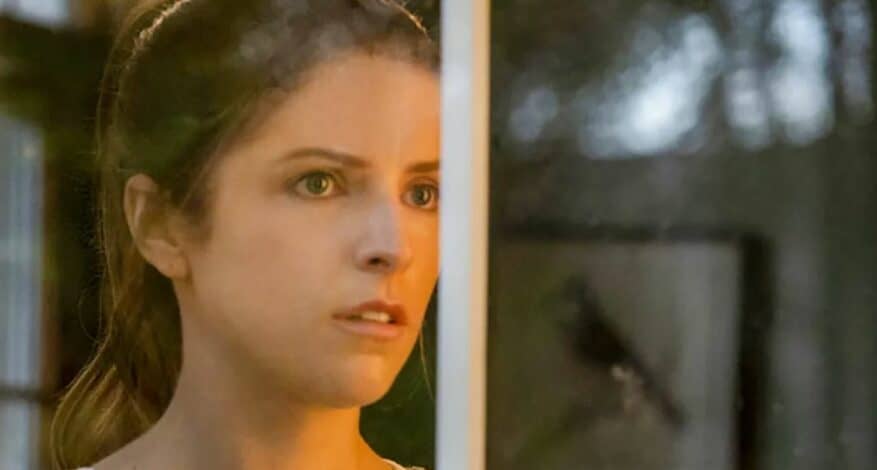
LUNAFEST Lexington is back in person this year at the historic Kentucky Theatre. This evening of short films promotes women and gender nonconforming storytellers from around the world, while raising funds to support our mission.  

Three local women – Geni Osborn, Helue Shalash, and Pam Holbrook – came together more than a decade ago with the goal of organizing an event to support survivors of intimate partner abuse. 

Their efforts brought the traveling film festival to our region, and in the years since, the event has raised more than $100,000 to support services.  

“We all face challenges as we walk through life – some are more difficult to overcome than others,” shares Geni. “LUNAFEST is a great opportunity to support the individuals in our community as they chart a new, healthier path for themselves and their families.”  

This year’s event features eight short films, each less than 10 minutes long. The stories range from an animated poem about coping with isolation during the pandemic to a 13-year-old girl building a mobile app to help kids stay connected to their incarcerated parents.  

Brought to you by LUNA, maker of the whole-nutrition bar for women. 

READ MORE
three people wearing purple thursday shirtsBlog

Purple Thursday – It’s About Time

It’s about time to end domestic violence. 

October 20 is Purple Thursday, an annual day to show support for survivors during Domestic Violence Awareness Month.  

The color purple is a symbol of peace, courage, survival, honor, and dedication to ending violence. It’s believed the color’s connection to our mission might have begun during women’s suffrage.  

In 1978, thousands of advocates for women’s equal rights wore purple when they marched in Washington, D.C. Today the color honors this history, survivors of abuse, and those lives that have been ended too early.  

Why is Purple Thursday Important?

Purple Thursday is important to our mission because raising awareness is an essential part of working to end the cycle of abuse. 

It’s time to wear purple shirts, hats, nail polish, ties, and more! It’s time to identify yourself as an advocate and raise awareness. It’s time to let survivors know there’s a large community here to support their path to safety.  

Read the Fall 2022 Issue of Bloom 💜

This is one article from our print newsletter. Follow the link above to read the full issue!

READ MORE
five people embracing each otherBlog

Losing a Loved One to Intimate Partner Abuse

If you’re reading this and have lost someone to intimate partner abuse, we’re so sorry for your loss.  

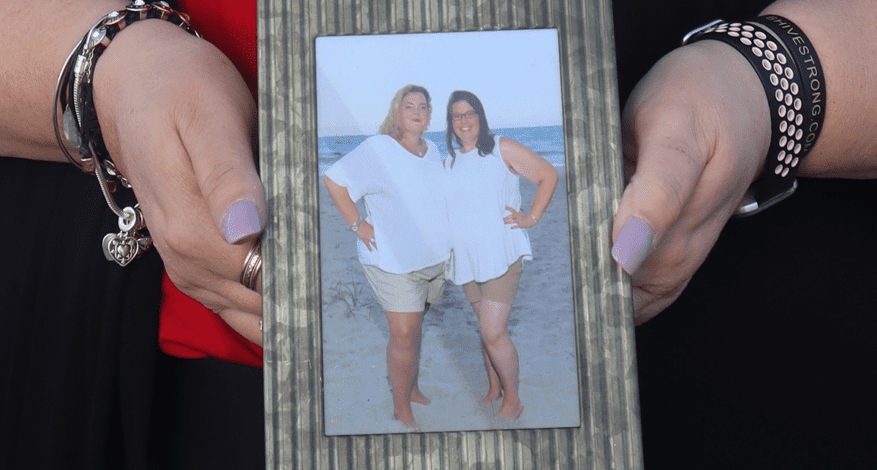
Friends and families of domestic homicide victims often self-blame and sometimes experience survivor’s guilt. Darlene Thomas, our executive director, has supported countless friends and family through grief.  

“It’s normal for families to question and hold themselves responsible,” shares Darlene. “But you’re not to blame. The only person to blame is the abuser.”  

Stages of Grief  

Do you feel shocked or angry right now? Maybe you’re questioning how this happened to someone you love.

Most friends and family will experience these standard stages of grief, but the journey is not always linear:

Denial
Anger
Bargaining
Depression
Acceptance

Feeling stuck in one stage or bouncing around the stages happens often.

This article from the Cleveland Clinic is a good place to start if you’re interested in reading more about the stages of grief.

Power and Control Wheel    

After some time has passed, exploring the dynamics of intimate partner abuse can help friends and families navigate the complexities of grief.   

The Power and Control Wheel, developed many years ago by advocates in Minnesota, provides examples of the ways abuse affected the life of your loved one. Some of the examples leave visible marks, but most are purposely hidden and difficult to recognize.   

It’s important to remember that many tactics of power and control are meant to manipulate and confuse people who supported the victim.  

Your voice matters.   

Sharing information and raising awareness can be helpful in the healing journeys of friends and family.

This link from the CDC discusses types of abuse, how common intimate partner abuse is, other statistics, and how to prevent it – like understanding and promoting healthy relationships.  

It’s okay to be more private about your loss, too. Public discussions can be re-traumatizing, especially for those of us who identify as introverts. Talking about your grief with trusted confidants is helpful, too.

Other Resources    

The Kentucky Center for Grieving Children & Families offers support groups, training in youth bereavement, and hosts a weekend camp for children who have experienced loss.   

The US Department of Justice has this handbook titled Coping after a Homicide. It covers reactions, helping children cope with grief, and the criminal justice system.  

Further Reading

This article from DomesticShelters.org is a great resource 💜

READ MORE
commerce lexingtonBlog

Nonprofit Impact Award

Commerce Lexington has awarded our organization the Salute to Small Business Nonprofit Impact Award.

Commerce Lexington’s annual Salute to Small Business presented by Forcht Bank recognizes the area’s best small businesses and one exceptional nonprofit organization. The Nonprofit Impact Award category honors services, fundraising, and inspiration to maximize output in the community.

“We are delighted and honored to receive this award,” says Darlene Thomas, Executive Director. “It’s especially meaningful to be recognized by Commerce Lexington because we operate a small business on our farm that surrounds the emergency shelter.”

This year’s week-long celebration of award winners culminates with the Salute to Small Business Awards Luncheon on Friday, August 26 at The Campbell House in Lexington.

About the Awards

Commerce Lexington began honoring the contributions of small businesses in 1986. To be eligible for the Salute to Small Business Awards, businesses must be active members of Commerce Lexington Inc. and have completed three or more years of operation in the local market with fewer than 150 employees.

Winners are selected for each of the four categories: Minority Business Award, Business Success Award, Entrepreneur Award, and Nonprofit Community Impact Award. Join us in celebrating the other category winners this year:

  • VOLO Careers International, Minority Business Award, specializes in senior-level women recruitment across thirty industries, including aerospace and defense, higher education, and medical devices.
  • Highbridge Springs Water, Business Success Award, bottles and delivers pure, limestone-filtered drinking water from a natural spring fed by an underground aquifer above the Kentucky River palisades next to High Bridge in Jessamine County.
  • Astral, Entrepreneur Award, was founded in 2015 when Megan Brooks sought a solution for fitness studios to run a successful retail component of their business.

About Commerce Lexington

Commerce Lexington Inc. was formed in January 2004 with the merger of the Greater Lexington Chamber of Commerce, Lexington United, and the Lexington Partnership for Workforce Development to promote economic development, job creation, and overall business growth in Lexington and its neighboring communities.

Read More

Follow the link above to view the Commerce Lexington Business Focus publication.

READ MORE
ryan admiring treesBlog

A Healing Canopy of Trees

“I have really sweet kid memories of laying down under a tree and looking up at the sky,” says Ryan Koch, residential program manager.

Many trees on the shelter property were planted about ten years ago with the support of a Plant the Planet grant from Kentucky Utilities.

“I like anything that helps a young person have a good, normal kind of day.”

Ryan is committed to planting more for residents to enjoy and reduce our carbon footprint.

He recently installed a big disc swing on a strong black cherry tree in the front lawn. “Moms and kids can all get on it at once and have a carefree moment.”

Michelle’s kids love playing under the trees. “They have a little mudhole out there,” she shares. “The other two really love to swing out front. They don’t like to come in sometimes.”

Volunteers help with the upkeep of the trees and cleared a path into the woods on the edge of the property for nature walks.

Read the Summer 2022 Issue of Bloom 💜

This is one article from our print newsletter. Follow the link above to read the full issue!

READ MORE
Rachel at Center for Research on Violence Against WomenBlog

Empowered by Plants

The University of Kentucky Center for Research on Violence Against Women recently completed a multi-year study of the farm’s effectiveness.

“Our mission is research,” shares Diane Follingstad, Ph.D. “If you have been a victim of violence as a woman, we would like to know the best ways to help you get better, to help you heal.”

Research considered physical, psychological, and functional benefits for survivors who participated in six weeks of programming on the farm. These outcomes were compared to those who lived at the shelter but chose not to participate in farm activities.

“I was really fascinated by the impact that this was having on women who have experienced horrible things in their lives—and their children—and the fact that they were somehow recovering more quickly,” explains Claire Renzetti, Ph.D.

“Plant therapy has been used with lots of vulnerable populations and has shown many positive results,” says Rachel Barczak (pictured), farm research project manager. Although not widely implemented at intimate partner abuse shelters, outcomes from the research could change that.

Rachel is a Ph.D. student in the University of Kentucky Department of Sociology. Research was made possible with grant funding from the U.S. Department of Justice Office of Violence Against Women Research and Evaluation Initiative.

Consideration of the data has begun, and publication of the results is expected soon.

“We talk anecdotally about what happens on the farm, but I think to have research behind it gives us some leverage to expand the program,” says Diane Fleet, GreenHouse17 associate director.

Read the Summer 2022 Issue of Bloom 💜

This is one article from our print newsletter. Follow the link above to read the full issue!

READ MORE
Blog

Protect Family Pets

Amendments to Kentucky laws related to domestic and personal orders of protection now include pets. Coercion, control, or revenge directed against a pet to control a spouse or dating partner is considered domestic violence.

Far too often, the most difficult step for victims of intimate partner abuse is leaving parts of their life behind to establish safety. Sometimes this includes their beloved pets.

The National Coalition Against Domestic Violence reports more than two-thirds of victims in emergency shelters say their batterer had harmed family pets for revenge or to emotionally control them. The coalition’s website also reports up to 40% of domestic violence victims are unable to escape their abusers because they are concerned about what might happen to their pets when they leave.

PARTNERS FOR PETS

We are committed to protecting and nurturing pets of survivors, too. Early efforts were supported with funding received from RedRover, a national organization committed to helping animals in crisis. SAF-T® guidelines developed by Allie Phillips inform our processes for sheltering animals and families together.

The Lexington Humane Society provides free examinations and vaccinations for every animal that lives with us, and our friends at the Chevy Chase Animal Hospital often provide medical care for animals with injuries from abuse.

The Lexington-Fayette Domestic & Sexual Violence Prevention Board also partners with Animal Care and Control to bring attention to the connection between animal abuse and intimate partner violence.

SAF-T for your pet

Follow the link above to read more.

READ MORE
Michelle's story bloom cover21 Years

Michelle’s Story

“He would give me a lot of attention, something I wasn’t used to.”

We met in 2009, but we didn’t really start dating until the beginning of the following year. It was a bunch of love bombing at first. Then his drinking started coming out and verbal, mental, and emotional abuse started showing up.

I would try to make friends but couldn’t go anywhere alone. Any appointments, he had to be with me. I wasn’t allowed to go around my family, which I was having trouble with anyway.

They’re also abusive in their own ways. I didn’t really recognize all the stuff that he was doing because it was normalized in childhood. It felt like home.

There were a few times I tried to leave. He would buy me all kinds of jewelry and flowers—doing the whole “I‘ve changed”—until I told him I didn’t want to have sex with him.

He started accusing me of poisoning him. Turned out he was doing that to me. I would get really sleepy and wake up with him raping me. When I finally said no more to the sexual abuse, it was way worse than before.

He had linked my phone to his, so he could see all my messages. He was trying very hard to buy a gun. I feel like he was planning on killing me. He threatened to kill one of our cats right in front of the kids.

My sister found out about this place. I got a DVO (protective order) for three years, no contact. He hasn’t shown up for any court appearances.

I feel all the love for the first time ever in my whole life. I’m soaking it in.

I’m starting a work-from-home job and we’re moving into transitional housing soon. I’m 32 and like, yes, this is what I deserve.

You don’t deserve to be abused. Even if it’s not physical, if you feel like it’s wrong, even if you’re told it’s not—leave. You don’t have to stay.

This is only part of Michelle’s story, in her own words, shared with her permission.

Read the Summer 2022 Issue of Bloom 💜

This is one article from our print newsletter. Follow the link above to read the full issue!

READ MORE