map harrison nicholasBlog

Serving Harrison and Nicholas Counties

Survivors deserve to be supported in their home community.

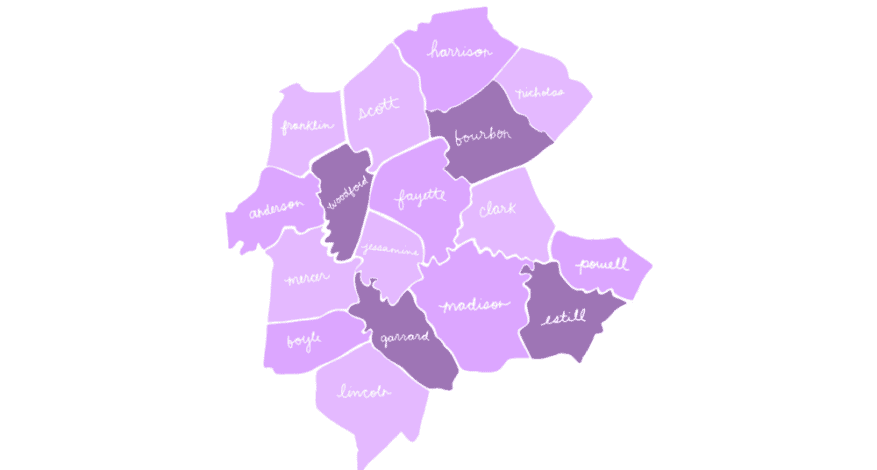
Although our emergency shelter is located in Lexington, staff of our organization live and work in all 17 counties of our service area – Anderson, Bourbon, Boyle, Clark, Estill, Fayette, Franklin, Garrard, Harrison, Jessamine, Lincoln, Madison, Mercer, Nicholas, Powell, Scott, and Woodford.   

Harrison & Nicholas Counties  

Anne Hodge is the advocate for survivors in Nicholas or Harrison Counties. Although each day is different, Anne dedicates much of her time to providing support for survivors before, during, and after family court hearings. 

What is a typical week for Anne?   
  • Anne provides legal advocacy during domestic violence court hearings on Mondays, Wednesdays, and Fridays.  
  • She also facilitates a weekly online support group about protective orders and legal basics, and connects survivors to other support groups offered by our organization. 
  • Another important activity is partnering with local organizations to make referrals for food, clothing, and other needs that survivors might experience. 

“People may need food or help with their electric bill or gas money. I refer them to agencies for financial assistance like Community Action or the Ministerial Association,” Anne explains. “Community partners are very valuable to our program and I keep in close contact with them.”

Legal Justice Matters  

Anne also coordinates the L-JUST project, a grant-funded legal justice effort to create an informed and supportive network of legal professionals across the central Kentucky region. One way Anne accomplishes this goal is through partnerships with attorneys who agree to provide no-fee services and representation for survivors navigating complex legal situations.

Get connected with an advocate in your county!

Call our 24/7 hotline at 800.544.2022

The L-JUST project is supported by subgrant number VAWA-2021-GreenHou-00029 subawarded by the state administering office for the Office on Violence Against Women, U.S. Department of Justice’s STOP Formula Grant Program. The opinions, findings, conclusions, and recommendations expressed in this publication are those of the author(s) and do not necessarily reflect the views of the state or the U.S. Department of Justice. 

READ MORE
five people embracing each otherBlog

Losing a Loved One to Intimate Partner Abuse

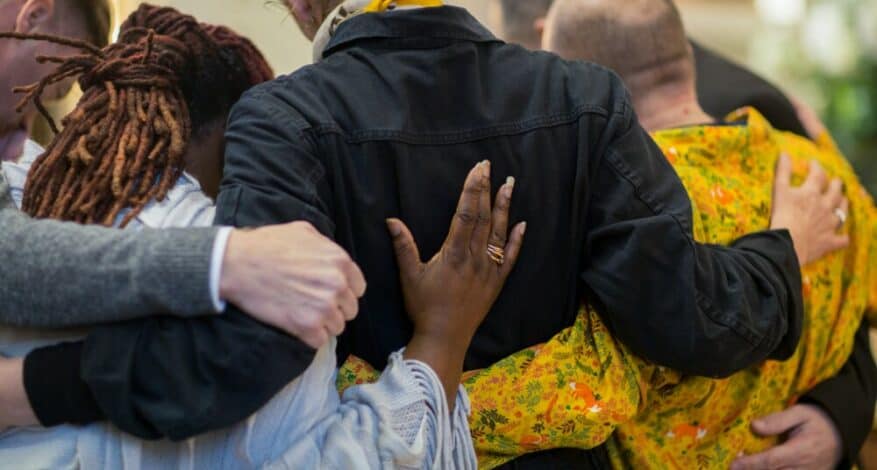
If you’re reading this and have lost someone to intimate partner abuse, we’re so sorry for your loss.  

Friends and families of domestic homicide victims often self-blame and sometimes experience survivor’s guilt. Darlene Thomas, our executive director, has supported countless friends and family through grief.  

“It’s normal for families to question and hold themselves responsible,” shares Darlene. “But you’re not to blame. The only person to blame is the abuser.”  

Stages of Grief  

Do you feel shocked or angry right now? Maybe you’re questioning how this happened to someone you love.

Most friends and family will experience these standard stages of grief, but the journey is not always linear:

Denial
Anger
Bargaining
Depression
Acceptance

Feeling stuck in one stage or bouncing around the stages happens often.

This article from the Cleveland Clinic is a good place to start if you’re interested in reading more about the stages of grief.

Power and Control Wheel    

After some time has passed, exploring the dynamics of intimate partner abuse can help friends and families navigate the complexities of grief.   

The Power and Control Wheel, developed many years ago by advocates in Minnesota, provides examples of the ways abuse affected the life of your loved one. Some of the examples leave visible marks, but most are purposely hidden and difficult to recognize.   

It’s important to remember that many tactics of power and control are meant to manipulate and confuse people who supported the victim.  

Your voice matters.   

Sharing information and raising awareness can be helpful in the healing journeys of friends and family.

This link from the CDC discusses types of abuse, how common intimate partner abuse is, other statistics, and how to prevent it – like understanding and promoting healthy relationships.  

It’s okay to be more private about your loss, too. Public discussions can be re-traumatizing, especially for those of us who identify as introverts. Talking about your grief with trusted confidants is helpful, too.

Other Resources    

The Kentucky Center for Grieving Children & Families offers support groups, training in youth bereavement, and hosts a weekend camp for children who have experienced loss.   

The US Department of Justice has this handbook titled Coping after a Homicide. It covers reactions, helping children cope with grief, and the criminal justice system.  

Further Reading

This article from DomesticShelters.org is a great resource 💜

READ MORE
rainbow over shelter LGBTQIABlog

LGBTQIA+ Services ❤️🧡💛💚💙💜

53 years ago, the Pride Movement began with the Stonewall Riots and protests against police brutality and LGBTQIA+ oppression. 

Our mission is to end intimate partner abuse because everyone deserves love and a life free from violence! We are committed to providing inclusive and informed services.  

Many on our staff are part of the LGBTQIA+ community. Christy, our Outreach Advocate for Fayette and Bourbon counties, identifies as a survivor herself. She escaped a physical, sexual, and psychological abuser 9 years ago.   

Additional Barriers  

Christy says, “I was too afraid to call the police because, sadly, both partners in a same-sex relationship are often arrested during domestic violence situations. The LGBTQ+ community is often met with victimizing legal services; thus, there is a hesitancy to use them.”  

LGBTQIA+ survivors experience additional barriers to getting the help needed to leave an abusive relationship. According to the National Coalition Against Domestic Violence, barriers they may face include:   

  • societal beliefs that domestic violence doesn’t occur in LGBTQIA+ relationships  
  • potential homophobia and/or transphobia from staff of service providers  
  • lack of appropriate training regarding LGBTQIA+ domestic violence for service providers  
  • a fear that airing problems fuels anti-LGBTQIA+ bias  
  • the dangers associated with ‘outing’ oneself (risking rejection from family, friends, and society)    
Support Group  

Christy facilitates a weekly LGBTQIA+ support group for survivors to help others find healing and hope. Request information here 

Other Community Resources  

The Lexington Pride Center’s mission is to celebrate and empower the intersectional lives of LGBTQIA+ Kentuckians. The Pride Center is a community space to connect and find support and resources. They also put on lots of events and host the Lexington Pride Festival!   

READ MORE
older lady posing for cameraBlog

Abuse Later in Life

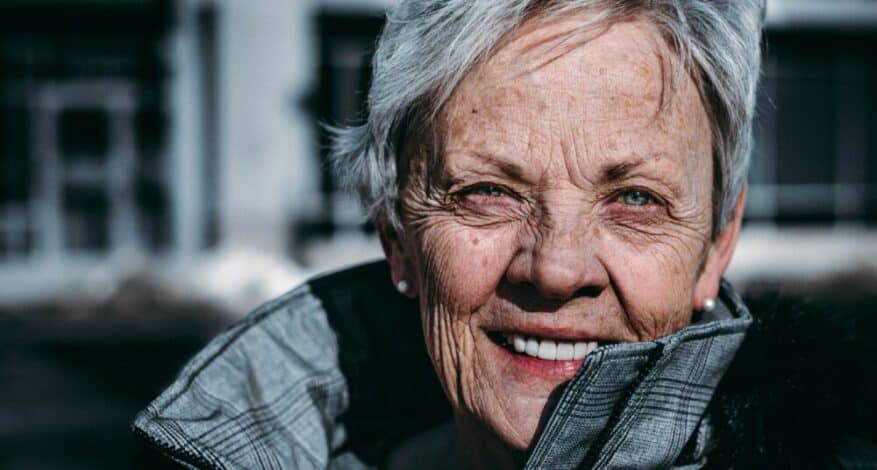
It’s Older Americans Month and when it comes to intimate partner abuse, there is no age limit.  

The National Clearinghouse on Abuse in Later Life (NCALL) defines it as willful abuse, neglect, abandonment, or financial exploitation of an older adult who is age 50+ by someone in an ongoing, trust-based relationship with the victim.  

Sherry Huff Culp from Nursing Home Ombudsman Agency of the Bluegrass says, “The aggressors include spouses and former spouses, partners, adult children, extended family, and in some cases caregivers. Often abusers threaten survivors with nursing home placement if they tell anyone about the abuse. Some abusers use their role and power to financially exploit their victims. Others feel that they are entitled to get their way because they are the “head of the household,” or because they are younger and physically stronger than their victim is.” 

People being abused later in life face unique challenges. They may be more dependent on their abuser for basic needs or have a harder time leaving their home to seek help.   

Get Help 

If you’re suffering from abuse later in life, Certified Domestic Violence Advocates are here 24 hours a day, every day of the year to talk and answer your questions. Call us at 800-544-2022. 

If you’re in an abusive situation and ready to leave, but you’re the caregiver for an elderly family member — we have a special room at shelter just for this type of circumstance that can fit a medical bed and has its own bathroom.  

Further Learning

Abuse Later in Life Power & Control Wheel

READ MORE
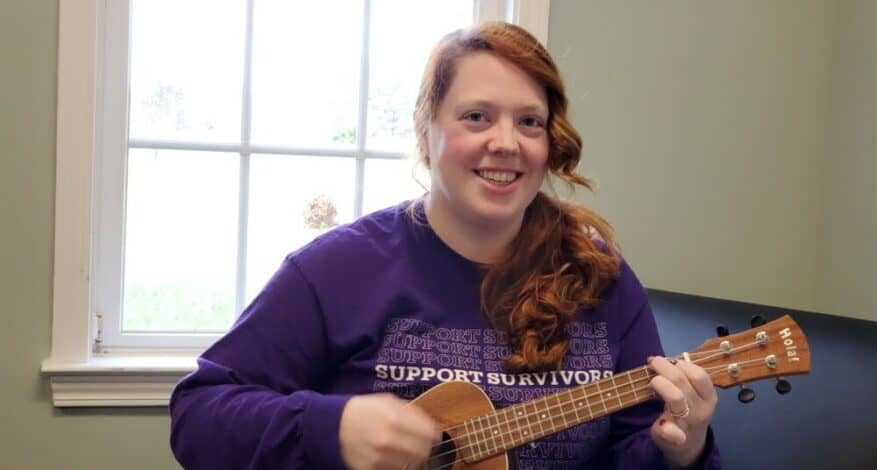
morgan holding ukuleleBlog

Healing through Music

Sometimes you’ll hear empowered singing and song playing echo down the halls of our emergency shelter.  

Healing through music is helpful for many people who have experienced trauma. Advocate Morgan hosts weekly ukulele sessions for survivors at shelter called, “Uke Can Do It.” It provides a safe space for survivors to express, process, and take back their power.

Morgan’s Background 

Morgan has always loved music and participated in choir from 4th grade through college at Morehead State. She was even a part of the choir that won the 2014 Mayo International Choral Festival in Ireland! 

While Morgan was working towards a music therapy degree at UK, she had a family violence class where Diane, our associate director, spoke. The talk really stuck with her and she switched her degree to a masters in social work.  

Her 2020 practicum was here at the shelter and she was hired as an advocate after she finished school. Morgan recently took a new position as the Children’s Advocate but is excited to keep doing the ukulele class for adults at shelter.  

Uke Can Do It 

Morgan enjoys picking out the songs she teaches to survivors. She looks at not only the song’s impact but also the message of the artist. In a recent class, the song learned was Elton John’s I’m Still Standing. Morgan and her mom recently went to the Elton John concert and she was inspired. 

At the end of each session, she saves time for lyric analysis.  

“Don’t you know I’m still standing better than I ever did?
Looking like a true survivor, feeling like a little kid
And I’m still standing after all this time
Picking up the pieces of my life without you on my mind”

The prompt to get a conversation started was, “For the people in your life who doubted you, what would you say to them?” 

Morgan says residents leave her sessions with a feeling of accomplishment. They learn so many things at once – chords, finger placements, reading music. She reminds them how much they accomplished in an hour, think of what you can do with a whole day! 

She also makes sure survivors know they don’t have to play. They can just listen and join in on the conversation if they want. Morgan often brings in her drums, tambourines, and shakers for those who aren’t yet comfortable learning a tune on the ukulele.  

ukulele and I'm Still Standing chords on music stand
READ MORE
How to Support Someone Who is Being Abused holding handBlog

How to Support Someone Who is Being Abused

How can you support someone who is being abused? Listen. Believe. Empower. Be informed. 

Learn & Listen

First, remember the abuse they are suffering is rooted in isolation, power, and control. Your role is to help them make their own decisions, not rescue them. Educate yourself on the power and control wheel.  

Believe the stories they tell you. Listen more than you talk. Avoid saying what you would do.  

Safety Plan

Say you are really worried about their safety and ask if they have a safety plan.  

Become familiar with things to consider when making a safety plan. Suggest that they call our 24-hour hotline to speak with an advocate. You can call us, too. We are here to answer questions and help you support your friend or family member. 

Not Just Shelter

Intimate partner abuse programs like ours aren’t just about emergency shelter. Certified Domestic Violence Advocates can help safety plan, help survivors through the emergency protective order process, accompany survivors to court, help with housing, connect them with support groups, plan next steps, or just talk.  

Remember Leaving Isn’t Easy

Always respect your friend or family member’s decision, even if they decide to stay. Sometimes it’s because leaving will be too dangerous right now. 

There are many reasons for not being able to leave – having nowhere to go, fear, financial insecurity, threats to themselves or their children or pets. Leaving the relationship is often the most dangerous time for the survivor.

Call us anytime.

24-HOUR HOTLINE 800.544.2022

READ MORE
green dot logoBlog

Green Dot

Small actions for a safer city

What is Green Dot?  

First, imagine a map of your city. Red dots are the issues. They’re incidences of things like intimate partner abuse, sexual violence, and elder abuse. Green Dots on the map represent acts of responding to the red dots.  

map with red and green dots

Green Dot works to educate, empower, and unite community members in the collective mission of cultivating a safer city through bystander intervention. It’s a nationally recognized violence prevention strategy focused on preventing power-based personal violence – sexual violence, intimate partner violence, child abuse, elder abuse, bullying, and stalking. 

Green Dot teaches community members how to intervene and cover those red dots with green ones.  

Training 

You can learn to be an active bystander through an online, interactive training led by Dawn Runyon, Green Dot Education Program Specialist at LFUCG.  

This training will teach you how to intervene by using the 3 D’s.  

  • Direct – Being direct with the person doing harm or person being harmed. Asking “are you ok?” or saying “that’s not appropriate.” 
  • Distract – Divert attention away. Start a random conversation, spill a drink, or start your car alarm. 
  • Delegate – Seek assistance from someone else to help. Tell a bartender, a teacher, or start recording a video.  

The community training provides example situations and participants brainstorm on how to Direct, Distract, or Delegate.  

The next training is on Tuesday, April 19th from 3pm to 5pm. To sign up, see the pinned post on their Facebook page 

Show Your Support

How else can you support your community and show you do not tolerate harmful acts?  

  • Wear branded gear in public to show support. You get a free t-shirt for finishing active bystander training!  
  • Share information on social media and use the hashtags #beanactivebystander #knowhow2act #greendotlex. You can find Green Dot on Facebook here and Instagram here.  

Read more!

Exciting news for Green Dot and the community!

READ MORE
safe exchange toysBlog

Children’s Safe Exchange & Visitation

Nearly 10,000 safe visitations and exchanges have been provided since the program began in 2018.

The Children’s Safe Exchange and Visitation program was launched in 2018 to support children whose parents and families have a history of intimate partner abuse, substance use, child abuse, or neglect.

Nearly 10,000 safe visitations and exchanges have been provided since the program began. Services are provided from two locations in downtown Lexington and Georgetown. Visitations and exchanges are facilitated without contact between adult parties so children and parents can feel safe while building positive parent-child relationships.

Children’s Safe Exchange and Visitation is a unique place where young survivors can have some time together with their families in a safe and warm environment,” shares Scott Lancaster, program manager.

Services honor the importance of the parent-child relationship in the healthy development of children while committing to safety and reducing worry about conflict.

AU Associates, Inc. donates the program’s Lexington office space, while Georgetown Police Department provides in-kind space for services in Scott County.

Read the Winter 2022 Issue of Bloom 💜

This is one article from our print newsletter. Follow the link above to read the full issue!

READ MORE
support group sitting downBlog

Support Groups

Surviving intimate partner abuse is a traumatic experience and it helps to have a safe place to talk about it. 

Support groups offer a safe and caring space so you don’t have to heal alone. You may not have many friends or family you can turn to for support, or maybe you’re having a difficult time trusting or relying on them right now. We know everyone’s story is different, but sometimes sharing with others who have been through similar experiences can offer comfort. 

Some benefits of support groups include the following:  

  • Feeling less lonely or isolated  
  • Talking openly and honestly about feelings  
  • Connecting with others who have shared experiences  
  • Improving coping skills  
  • Staying motivated   
  • Improving hopefulness  
  • Receiving practical feedback  
  • Learning about new resources 

It’s important to note the difference between a support group and group therapy. The term therapy usually means an intervention related to a physical or mental medical diagnosis. Support groups are gatherings of people with shared experiences. Our groups are facilitated by a Certified Domestic Violence Advocate.  


Our Support Groups
 

Most of our groups focus on common survivor experiences, but some focus on specific topics, such as co-parenting or finance matters. Both in-person and online meetings are available. 

You are not alone. It can be a struggle to talk about your story. Join a community of people who have experienced similar life events. You will get through this and you will heal.

READ MORE
Blog

KFW’s Art Meets Activism Grant Recipient 

The Art Meets Activism grant from the Kentucky Foundation for Women will allow us to provide trauma-informed artmaking with survivors of intimate partner abuse. 

This Art Meets Activism grant will provide an advocate on staff with training and certification in therapeutic artmaking. We’ll be able to offer art-based support groups for residents at shelter, as well as community-based workshops for survivors receiving supportive services outside of shelter, with an informed focus on healing. Open studio sessions will also be available for self-guided art.  

The goal of these activities is to help survivors heal emotionally. Similar to the nature-based healing approach of our farm, trauma-informed art-making may increase survivors’ confidence, leading to improved feelings of self-worth and well-being. Through group sessions, there is the opportunity to become more connected to community, ultimately reducing the frequent feelings of isolation some survivors experience.    

We are honored to receive this grant and be among so many inspirational women and organizations. Here is a full list of fellow grant winners 

About KFW 

The Kentucky Foundation for Women is a private foundation formed in 1985 by Louisville writer Sallie Bingham.  Its mission is to promote positive social change by supporting varied feminist expression in the arts. 

READ MORE