merry who used our hotline for advice21 Years

24/7 Crisis Hotline

Our 24-hour crisis hotline is answered every day of the year.

Merry’s Story 

Merry is a survivor of intimate partner abuse. Her mother encouraged her to call our hotline.  

“I don’t remember who I talked to, and it was a short conversation. They gave me a lot of advice that I wish I’d taken. It was such a pivotal moment because I had looked at your website so many times over the last few years and questioned ‘is what I’m going through abuse?’

I talked to a lot of people who go through the same thing. They’ll look at that website for months before they decide to call. I think it’s a mental unraveling and acceptance of the situation that you’re in. Because your brain is trying to protect you in that environment so you can keep going. 

The call made me realize I’m a victim of what’s happening to me and I don’t have to accept it anymore. It was huge.” 

Common Questions 

Our hotline receives an average of 15-20 calls each day. You will speak to a compassionate Certified Domestic Violence Advocate who wants to support your specific needs.

Do you have space at the shelter?

Although the shelter has 42 beds, our capacity is always changing. If we aren’t able to provide space at any time, we rely on a strong network of temporary shelter solutions.  

Can my kids come to the shelter with me?

Yes, our shelter is a kid-friendly space. We have a special advocate focused on supporting children and youth. The shelter property includes a fenced playground and lots of swings. 

What about my pets?

Our shelter facility and rural property is pet-friendly. We also have partnerships to help with medical care of pets that have been harmed from abuse. Sometimes the shelter isn’t a good fit for family pets. If this is the case for your pet, we can help identify a temporary caregiver who is dedicated to fostering pets of survivors. 

Can someone come to court with me?

Legal advocates attend family court every day that a domestic violence case is being heard in all 17 counties we serve. 

What support groups do you offer?

We offer many support groups for survivors, and most are available online via Zoom. Find more information here. 

17 Counties 

Some people who need assistance don’t reach out because they don’t need emergency shelter. You don’t have to come to the shelter to receive services.  

Staff of our organization live and work in all 17 counties of our service area – Anderson, Bourbon, Boyle, Clark, Estill, Fayette, Franklin, Garrard, Harrison, Jessamine, Lincoln, Madison, Mercer, Nicholas, Powell, Scott, and Woodford.     

A hotline advocate will connect you with your county’s advocate. Even if you aren’t in these counties, we can direct you to the designated service provider for your area. 

Call us anytime.

800.544.2022

READ MORE
people behind table at hollergirl music festivalBlog

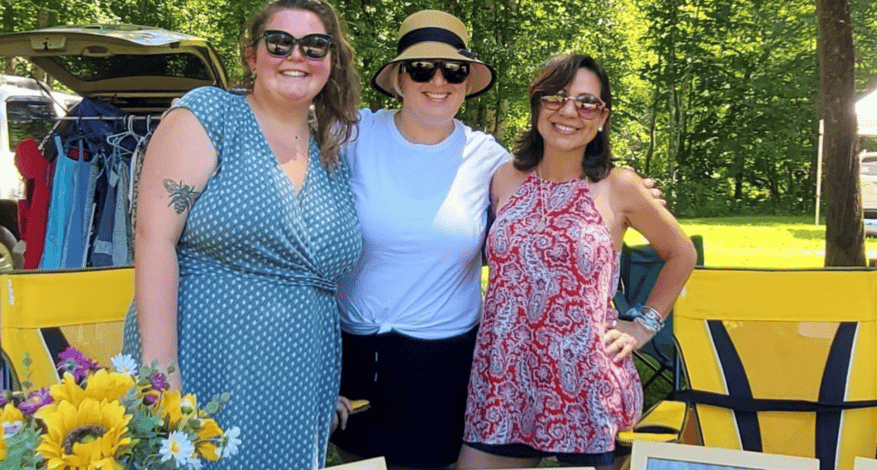
Advocates at Music Festivals

Our advocates are dedicated to promoting awareness, resources, and safe spaces at music festivals this summer.🎶

Maybe you’ve seen our booth at one of these big multiday festivals – Railbird [Lexington], Rislofest [Harrodsburg], and HollerGirl [Livingston].  

“Festivals are heightened situations with possible substance use,” explains advocate Alyssa. “By having our booth during the day, people know how to seek help. Our booth serves as a safe space.”

The effort is working.

Intervention stopped one active intimate partner abuse incident. Another festival attendee called and found shelter after the festival. More generally, information about services and support encourages discussion about the mission.

Be an Active Bystander 

August is peak music festival season and Active Bystander Awareness Month.  The Safer Spaces campaign, based in the United Kingdom, suggests the 5 Ds model for festival goers to promote safety:

  1. DIRECT: Consider directly intervening if you feel safe. Communicate that the behavior is not tolerable.
  2. DISTRACT: Take an indirect approach to deescalate the situation. Interrupt what is happening. Maybe you spill your drink or start a random conversation.
  3. DELEGATE: Get help from someone else, possibly security staff, to intervene.
  4. DOCUMENT: Take photos or videos on your phone to document the situation as it’s happening.
  5. DELAY: Find a way to check in with the person who was harmed when it’s safe.
Green Dot Lexington

Green Dot Lexington offers tips, resources, and training to harness your power as a bystander. Choose safety for someone who may be at risk for violence or abuse. Learn more on their Facebook page.

Further Reading

Refinery29 - Sexual Assault Is Still Rampant At Music Festivals. Here's How We Stop It.

READ MORE
Blog

Nature’s Nourishment

Farm-to-table – Access to nutritious food matters.

With summer in full swing on the farm, plentiful vegetables fill the fields and the shelter’s kitchen.

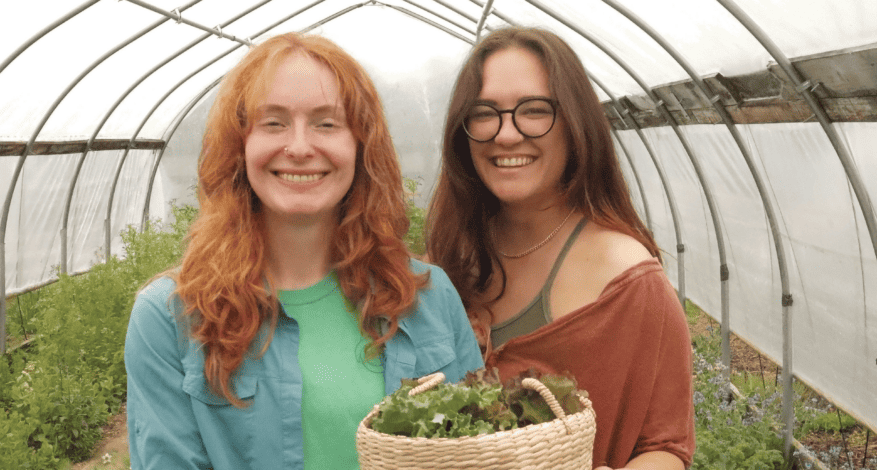
Hattie and Finley, advocates on our staff, work together to provide nutritious farm-to-table meals for survivors. Sweet potato enchiladas, tomato soup, and big salads are among the favorites of residents.

“Our kitchen garden allows us to incorporate fresh fruits and vegetables into our programming and start a conversation around where our food comes from,” explains Hattie Nunley, farm advocate. “But more importantly, it encourages residents to be present in nature during the healing process.”

Finley Yuttayong, dining and nutrition advocate, recently completed trauma-informed nutrition training and wants to help survivors reflect and establish a healthier connection with their bodies and food.

She says, “We want our kitchen to be a place where survivors can safely take part in the pleasure of food, shame-free, and take a step towards a healed relationship with their bodies.”

Beyond the physical and emotional wounds from intimate partner abuse, research has found long-term health complications. Increased rates of chronic pain, gastrointestinal disorders, and heart disease are common.

Read the Summer 2023 Issue of Bloom 💜

This is one article from our print newsletter. Follow the link above to read the full issue!

READ MORE

Safe at Home Act

The Safe at Home Act to encourage confidentiality for survivors of intimate partner abuse in Kentucky became effective June 29, 2023. 

This new Kentucky law allows victims fleeing domestic abuse to shield their new addresses from public records, mask their addresses on publicly available government records, and register to vote without their address being public. 

No special court order will be required, and the program is administered at no fee to participants. 

You are eligible for the program if able to provide a sworn statement that you are a victim of domestic violence, sexual assault, or human trafficking and believe address confidentiality will improve your safety. 

Call our 24-hour hotline for help completing the Safe at Home application form: 800-544-2022  

Submission of a complete and notarized application is required. Upon approved participation for the program, you will receive a participant card and packet of additional information. 

Participants may use the Secretary of State’s address on most public records instead of their own. The Secretary of State’s office will forward mail received to the participant’s confidential address. 

Approved participation remains valid for four years and can be renewed upon expiration. Most other states provide similar programs, and victims may be eligible for similar address confidentiality if they relocate. 

READ MORE
Blog

Shelter Life – Launching Phase

Walking into shelter for the first time can be a very scary experience.

Although every survivor’s journey after fleeing abuse is unique, our shelter services are designed around three phases of shelter life — Welcoming, Healing, and Launching. This is part three of a 3-part blog series that explores common activities during each phase.   

Launching 

When a survivor begins preparations to leave the shelter, they continue to work with their Healing Advocate and also choose another advocate to help during the Launching phase. 

Housing 

Although each survivor needs different types of housing support, most receive temporary rental and utility assistance. 

Some survivors transition to apartments in their home county or near supportive family and friends, while others move to apartments in the ZeroV Homes Lexington. Twelve of these units are scattered near downtown Lexington, with easy access to public transportation, and twelve cottage-style duplexes are nestled on the backside of the emergency shelter’s property.  

Breaking Down Fears 

A large part of the Launching phase is to work on emotional support. For a lot of survivors, this is the first time they’ve lived on their own in a long time.  

Advocates will work through fears and safety plan for survivors. If the survivor has children, our Youth Advocate will help safety plan with the kids. 

What’s Next? 

While a survivor is still at shelter, Launching Advocates will connect them with an Outreach Advocate in the community where they will be living. Staff members live and work in all 17 counties of our service area. 

Outreach Advocates continue supporting survivors after they transition out of shelter.  

Call us anytime.

24-HOUR HOTLINE 800.544.2022

READ MORE
two people at front deskBlog

Shelter Life – Healing Phase

Walking into shelter for the first time can be a very scary experience.

Although every survivor’s journey after fleeing abuse is unique, our shelter services are designed around three phases of shelter life — Welcoming, Healing, and Launching. This is part two of a 3-part blog series that explores common activities during each phase.   

Healing 

“When clients first come in, they work on immediate safety goals – getting all their documents and making sure they have everything they need to basically start a new life,” says advocate Alyssa. 

“When they get to Healing, we work on long-term goals like employment, counseling, housing, legal advocacy, and setting up referrals to the community so they have support systems.” 

Advocate Kristen adds, “And also the emotional aspect of processing what brought you here. After you’re safe and have time to rest, all these feelings and realizations start coming out about your past trauma and we’re here to talk about that and find outlets that work best to regain self-sufficiency.” 

First Meeting 

During the first meeting with their Healing Advocate, survivors discuss their long-term goals during the remainder of their stay at shelter such as finding a job, housing, and transportation.  

Healing Advocates also talk through the survivor’s history and help them process their trauma. 

“We’re listeners and keepers of their stories while we work towards safety for their families,” says Alyssa. 

After the initial meeting, survivors and Healing Advocates meet at least twice a week to work towards their goals. 

Goals 

An important part of the Healing phase is making sure people are connected with support systems in their community like Legal Aid of the Bluegrass and the Children’s Safe Exchange and Visitation program.  

Every survivor’s healing journey is different, but common goals include reaching financial independence, going back to school, working out schedules for their children, and finding a therapist. 

What’s Next? 

When survivors are ready to begin their transition out of shelter, they move on to phase 3 – Launching.

Call us anytime.

24-HOUR HOTLINE 800.544.2022

READ MORE
five advocates enhanced protective order planBlog

Enhanced Protective Order Plan

A new program has made it easier for survivors to file petitions for protective orders in Fayette County.

The Enhanced Protective Order Plan (EPOP) is a pilot project informed by the 2020 VAWA Statewide Needs Assessment which examines how Kentucky courts meet the needs of victims and examines barriers preventing survivors and their families from accessing support services. 

Through this program, five of our advocates were deputized to process Petitions for an Emergency Protective Order (EPO) and Interpersonal Protective Orders (IPO) for survivors who already reside at our shelter or receive our advocacy services in Fayette County. 

Fleeing an abuser can be the most dangerous time. This new effort provides survivors with access to the court from a safe location and eliminates transportation barriers that often can delay the process. The support of Certified Domestic Violence Advocates during the process can help ease complications and improve documentation during such a traumatic time. 

The Fayette Circuit Court Clerk’s office will continue to be available for all victims in Lexington-Fayette seeking assistance with domestic violence petitions. These services are available 24 hours a day, seven days a week. Contact the Fayette Circuit Court Clerk at 859-246-2248 for office locations and more information. 

EPOP is coordinated through the Kentucky Courts in partnership with the Office of the Fayette Circuit Court Clerk and the Domestic and Sexual Violence Prevention Council. 

READ MORE
Tiffany in front of flowersBlog

Shelter Life – Welcoming Phase

Walking into shelter for the first time can be a very scary experience.

Our advocates are always here to greet new families, answer crisis calls, and safety plan with survivors ready to flee.

Although every survivor’s journey after fleeing abuse is unique, our shelter services are designed around three phases of shelter life — Welcoming, Healing, and Launching. This will be a 3-part blog series that explores common activities during each phase. 

Welcoming 

“Welcoming is all about loving on you, showing you around, and giving you resources,” says advocate Tiffany.

When a survivor is coming to shelter, Welcoming Advocates get their room prepared and make a welcome bag with toiletries, hair products, washcloths, towels, and comforting items like fuzzy socks.  

When the new resident arrives, a Welcoming Advocate will give them a tour and introduce them to staff members.  

Intake

After they get settled in, it’s time for an official intake. An advocate will talk them through what community living is like at shelter.  

They’ll talk through the groups offered at shelter like Uke Can Do It and farm Make It Take It groups

Documentation & Court

A large part of a Welcoming Advocate’s job is making sure basic needs of survivors and their children are met so healing of physical and emotional wounds can begin. A lot of survivors must flee quickly, leaving everything including their social security card and driver’s license.  

Sometimes a survivor needs help with the emergency protective order (EPO) process and will need to go to court. The Welcoming team can help with this and get them connected with one of our Legal Advocates

What’s Next? 

If a survivor can move out of shelter to their own space, Welcoming Advocates will work to connect them with community resources like storage and moving companies. Sometimes the sheriff’s office will be able to install ring cameras at their new place for safety. 

If a survivor needs more time to get on their feet, they move on to phase 2 – Healing

Call us anytime.

24-HOUR HOTLINE 800.544.2022

READ MORE
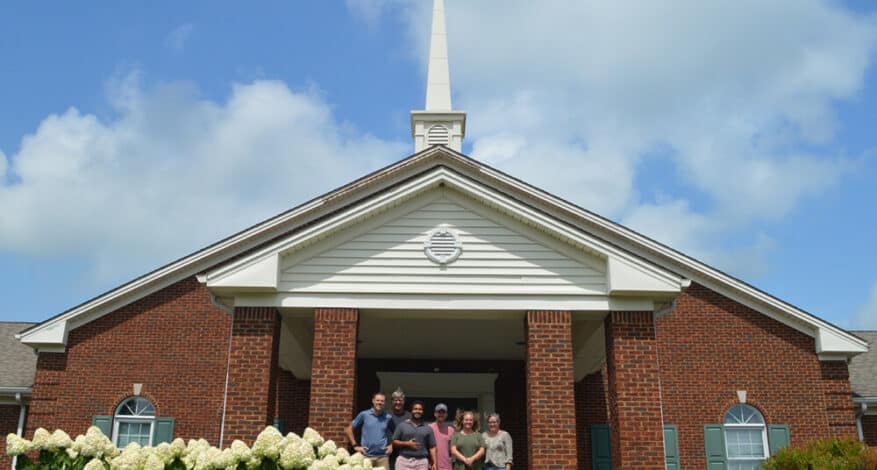
members in front of grace churchBlog

Safety to Flourish

Planning has begun to expand the Children’s Safe Exchange and Visitation program to Boyle County next year. 

Members of Grace Church have generously agreed to provide space for the services in the children’s wing of their facility in Danville.  

“As a church, we are committed to helping the families and children of our community flourish,” says Assistant Pastor Kevin. “We are excited about the opportunity to open some of our space to help meet this need.” 

The program currently operates in Fayette and Scott counties. Services honor the importance of the parent-child relationship and strengthen this bond without the worry of conflict, intimidation, control, and abuse.  

“No one issue or need in our community will be met by a single organization,” Kevin explains. “It takes many people and organizations playing a small part, and we are excited to play ours.” 

Additional funding from the Hudson-Ellis Fund at Blue Grass Community Foundation will support program start-up costs.

Read the Fall 2022 Issue of Bloom 💜

This is one article from our print newsletter. Follow the link above to read the full issue!

READ MORE
Blog

Colorful Expressions

 
“There’s something very healing about making something with your hands.” 

Making art can help survivors of intimate partner abuse find their own path to healing. That’s why advocate Kristen hosts a weekly art group.  

Like the nature-based healing approach of our farm, artmaking improves feelings of well-being and self-worth. Making art with other survivors encourages connection, reducing the frequent feelings of isolation some survivors experience.  

“It’s so awesome to see survivors change their perception of the world through art,” says Kristen.  

Kristen has introduced more artmaking experiences this year thanks to the Art Meets Activism grant through the Kentucky Foundation for Women.  

The generous grant supported training for her to become a certified facilitator of trauma-informed art workshops, while also providing funds for materials, equipment, and offsite artmaking experiences for survivors.  

“We’re exploring different mediums and ways to express trauma, emotions, and using it as a tool to rediscover oneself,” she shares.

Read the Fall 2022 Issue of Bloom 💜

This is one article from our print newsletter. Follow the link above to read the full issue!

READ MORE