Rachel at Center for Research on Violence Against WomenBlog

Empowered by Plants

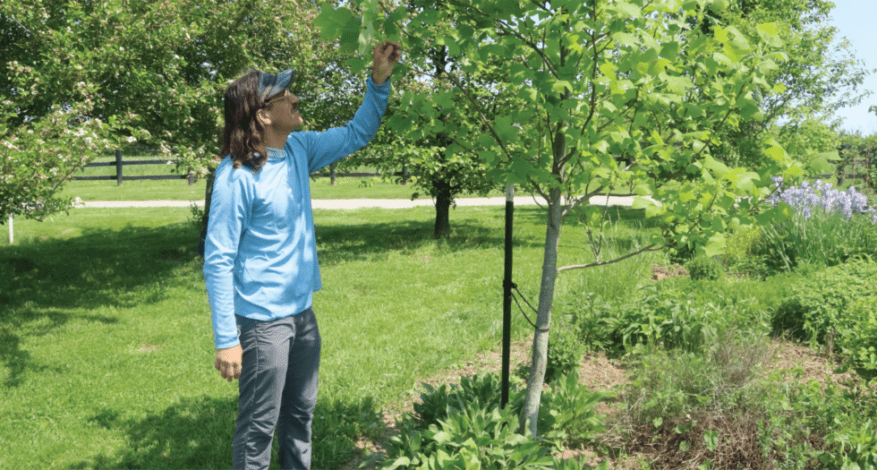
The University of Kentucky Center for Research on Violence Against Women recently completed a multi-year study of the farm’s effectiveness.

“Our mission is research,” shares Diane Follingstad, Ph.D. “If you have been a victim of violence as a woman, we would like to know the best ways to help you get better, to help you heal.”

Research considered physical, psychological, and functional benefits for survivors who participated in six weeks of programming on the farm. These outcomes were compared to those who lived at the shelter but chose not to participate in farm activities.

“I was really fascinated by the impact that this was having on women who have experienced horrible things in their lives—and their children—and the fact that they were somehow recovering more quickly,” explains Claire Renzetti, Ph.D.

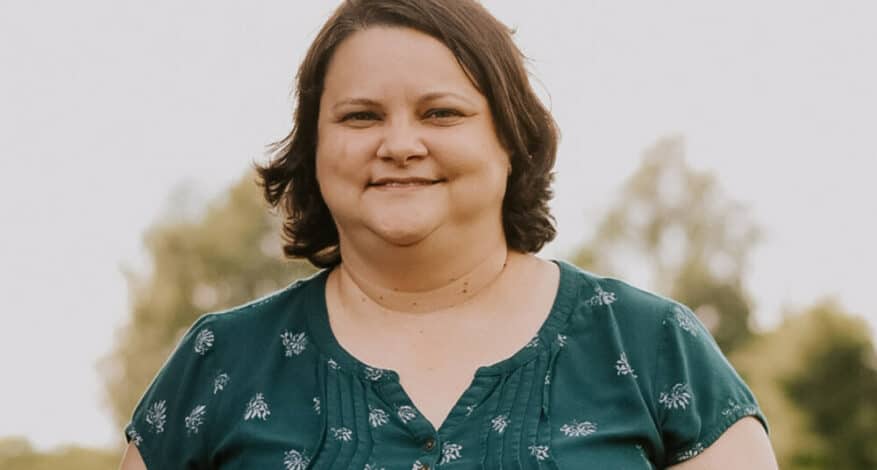
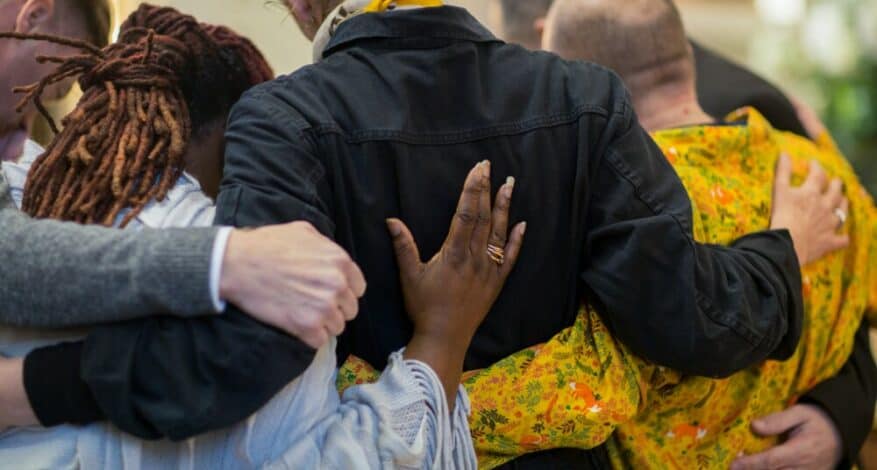
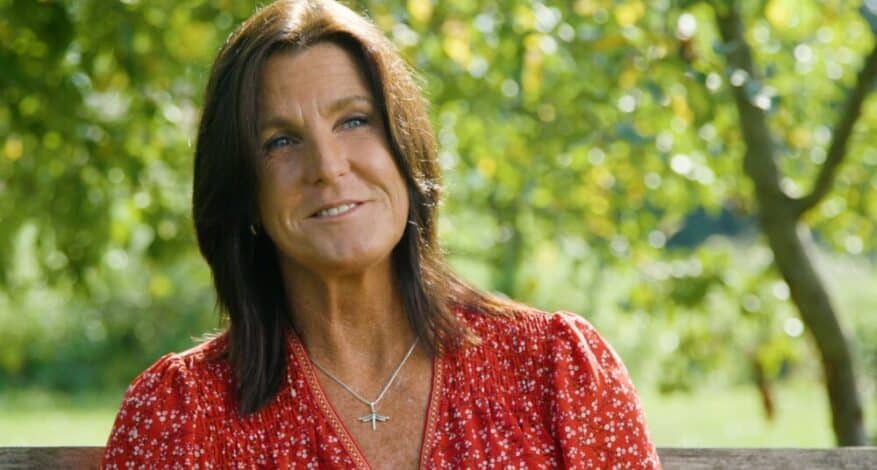
“Plant therapy has been used with lots of vulnerable populations and has shown many positive results,” says Rachel Barczak (pictured), farm research project manager. Although not widely implemented at intimate partner abuse shelters, outcomes from the research could change that.

Rachel is a Ph.D. student in the University of Kentucky Department of Sociology. Research was made possible with grant funding from the U.S. Department of Justice Office of Violence Against Women Research and Evaluation Initiative.

Consideration of the data has begun, and publication of the results is expected soon.

“We talk anecdotally about what happens on the farm, but I think to have research behind it gives us some leverage to expand the program,” says Diane Fleet, GreenHouse17 associate director.

Read the Summer 2022 Issue of Bloom 💜

This is one article from our print newsletter. Follow the link above to read the full issue!

READ MORE
Blog

Protect Family Pets

Amendments to Kentucky laws related to domestic and personal orders of protection now include pets. Coercion, control, or revenge directed against a pet to control a spouse or dating partner is considered domestic violence.

Far too often, the most difficult step for victims of intimate partner abuse is leaving parts of their life behind to establish safety. Sometimes this includes their beloved pets.

The National Coalition Against Domestic Violence reports more than two-thirds of victims in emergency shelters say their batterer had harmed family pets for revenge or to emotionally control them. The coalition’s website also reports up to 40% of domestic violence victims are unable to escape their abusers because they are concerned about what might happen to their pets when they leave.

PARTNERS FOR PETS

We are committed to protecting and nurturing pets of survivors, too. Early efforts were supported with funding received from RedRover, a national organization committed to helping animals in crisis. SAF-T® guidelines developed by Allie Phillips inform our processes for sheltering animals and families together.

The Lexington Humane Society provides free examinations and vaccinations for every animal that lives with us, and our friends at the Chevy Chase Animal Hospital often provide medical care for animals with injuries from abuse.

The Lexington-Fayette Domestic & Sexual Violence Prevention Board also partners with Animal Care and Control to bring attention to the connection between animal abuse and intimate partner violence.

SAF-T for your pet

Follow the link above to read more.

READ MORE
four farmers harvestingBlog

Summer’s Harvest

“Our strawberries taste a whole lot better than the ones that came from the store,” said a survivor living in shelter. “They’re sweeter and juicier.”

There’s nothing better than a home-cooked meal made with food grown with your own hands.

Many meals prepared in the shelter this time of year feature fresh produce from the farm. Lunch is often a big summer salad. Tacos and salsa made with vegetables from the farm are popular, too.

“I’m all about the farm-to-table connection,” shares Hattie Nunley, farm and family advocate. “I think even being able to just supplement onions in a meal is special.”

“The farm was amazing. Getting my hands in the dirt was one of the best experiences of my life,” says Michelle.

Carrots, kale, cabbage, bok choy, broccoli, cauliflower, onions, potatoes, tomatoes, and peppers were seeded in January and planted in April. Several hoop houses on the farm will extend the harvest season through late autumn.

“I was able to be involved in planting the peppers and tomatoes and a discussion of the future planting of okra and squash,” shares a survivor.

Too many in central Kentucky experience food insecurity. Healing the physical and emotional wounds of violence becomes more difficult without access to nutritious food.

Hattie is working to expand the farm’s production to provide survivors with fresh produce even after leaving the shelter. She collaborates closely with the shelter’s dining and nutrition advocate for menu planning.

They also co-facilitate a monthly support group about healthy relationships with food.

“My favorite thing so far has been harvesting strawberries,” says another survivor. “They were so sweet and delicious.”

Read the Summer 2022 Issue of Bloom 💜

This is one article from our print newsletter. Follow the link above to read the full issue!

READ MORE
Lyndsay with three horsesBlog

Moments of Magic

Lyndsay Deaver knows the healing love that only a horse can give.

In 2008, while a student of Midway University’s equine therapy program, she completed her practicum internship at the emergency shelter.

Lyndsay suggested that boarding her horse, JB, on the property, could be meaningful for survivors.

“People really identify with the horses. That’s their magic,” explains Lyndsay. “Horses are the perfect type of mirror. They reflect back to you what you’re experiencing.”

JB still lives on the property today. Saucy and Solo, both horses of Lyndsay’s family members, have joined her.

If a resident or staff person stops along the fence line, it doesn’t take long until one of the horses ambles over to say hello. They often wait near the gate to welcome kids back from school.

“It’s really rewarding to see how many women and kids have enjoyed just spending time with the horses,” Lyndsay adds.

Read the Summer 2022 Issue of Bloom 💜

This is one article from our print newsletter. Follow the link above to read the full issue!

READ MORE
Michelle's story bloom cover21 Years

Michelle’s Story

“He would give me a lot of attention, something I wasn’t used to.”

We met in 2009, but we didn’t really start dating until the beginning of the following year. It was a bunch of love bombing at first. Then his drinking started coming out and verbal, mental, and emotional abuse started showing up.

I would try to make friends but couldn’t go anywhere alone. Any appointments, he had to be with me. I wasn’t allowed to go around my family, which I was having trouble with anyway.

They’re also abusive in their own ways. I didn’t really recognize all the stuff that he was doing because it was normalized in childhood. It felt like home.

There were a few times I tried to leave. He would buy me all kinds of jewelry and flowers—doing the whole “I‘ve changed”—until I told him I didn’t want to have sex with him.

He started accusing me of poisoning him. Turned out he was doing that to me. I would get really sleepy and wake up with him raping me. When I finally said no more to the sexual abuse, it was way worse than before.

He had linked my phone to his, so he could see all my messages. He was trying very hard to buy a gun. I feel like he was planning on killing me. He threatened to kill one of our cats right in front of the kids.

My sister found out about this place. I got a DVO (protective order) for three years, no contact. He hasn’t shown up for any court appearances.

I feel all the love for the first time ever in my whole life. I’m soaking it in.

I’m starting a work-from-home job and we’re moving into transitional housing soon. I’m 32 and like, yes, this is what I deserve.

You don’t deserve to be abused. Even if it’s not physical, if you feel like it’s wrong, even if you’re told it’s not—leave. You don’t have to stay.

This is only part of Michelle’s story, in her own words, shared with her permission.

Read the Summer 2022 Issue of Bloom 💜

This is one article from our print newsletter. Follow the link above to read the full issue!

READ MORE
flower csaBlog

Flower CSA Pickup Partner Appreciation 💐

The Summer Flower CSA launched this month! We’re so thankful for the members whose purchase of fresh-cut flowers from our farm supports survivors.  

We’re also very thankful for our amazing community partners. They share their space each week from June to September for Flower CSA member pickup!  

Third Street Stuff

Visit them for the atmosphere, coffee, locally baked goods, and lots of fun ‘stuff’ to buy. They also carry our Handmade by Survivors products around the holidays! 

Good Foods Co-op 

Good Foods Co-op is a locally owned and operated cooperative grocery and café with 9,000+ owners! They focus on local, natural, organic, and non-GMO products.  

Grassroots Pharmacy 

Grassroots Pharmacy is a new pickup location this year! It’s a locally owned, independent pharmacy that opened in March 2017. They also sell local and sustainable products and have a smoothie bar!  

Origin Hotel 

The lovely Origin Hotel is located at The Summit at Fritz Farm. 33 Staves restaurant is in the hotel and serves seasonally crafted menus for breakfast, brunch, and dinner! 

Smithtown Seafood 

Smithtown Seafood serves fresh, sustainably caught seafood, creative salads, burgers, and more! It’s located in the Bread Box and connected to West Sixth Brewery.   

Our Summer Flower CSA sells out fast!

Sign up to be notified when registration opens next year 💌

READ MORE

Remarks on Recent Supreme Court Decision

To the greatest extent allowed by law, we will continue to advocate for the personal decisions survivors choose while escaping intimate partner abuse and establishing long-term safety from physical, emotional, and economic harm.

ZeroV, Kentucky’s statewide coalition of domestic violence programs, has issued this statement on the recent Supreme Court decision that ended the constitutional right to access abortion:

“Today’s Supreme Court decision in Dobbs v. Jackson Women’s Health Organization has immediate, serious, and lasting consequences on the lives of domestic violence victims in Kentucky. Exerting power and control over a partner’s personal agency and sense of safety is the aim of intimate partner violence and abuse, with reproductive coercion and the control of bodily autonomy among two of the most common tactics. ZeroV stands with survivors and their families as our coalition and our communities process and respond to the manifold implications of this ruling.”


Statement from the National Network to End Domestic Violence (NNEDV) echoes concerns about safety and autonomy related to the decision:

“The decision marks the first time in history that the Supreme Court has taken away a fundamental right, and it is an unconscionable rollback of constitutional privacy rights for all people…Abortion services are essential healthcare and having equal access—for all people, everywhere—is vital to their social and economic participation, reproductive autonomy, and right to determine their own lives. For domestic violence survivors, abortion access is a matter of safety…” 

Read More

The full statement from NNEDV is available from the link above.

READ MORE
Blog

Art Meets Activism

Making art can help survivors of intimate partner abuse find their own path to healing 🎨

Thanks to the Art Meets Activism grant through the Kentucky Foundation for Women, survivors have been able to participate in many different trauma-informed artmaking projects!

The goal of these artful healing activities is to help survivors heal emotionally. Like the nature-based healing approach of our farm, trauma-informed artmaking improves feelings of well-being and self-worth. Making art with other survivors also encourages connection, reducing the frequent feelings of isolation some survivors experience.  

The foundation’s funding supports the purchase of artmaking equipment and supplies. Survivors have also attended classes at Kentucky Mudworks and Cut & Paste Art Studio the past few months thanks to the Art Meets Activism grant.

image
image
image
image
image
image
READ MORE
rainbow over shelter LGBTQIABlog

LGBTQIA+ Services ❤️🧡💛💚💙💜

53 years ago, the Pride Movement began with the Stonewall Riots and protests against police brutality and LGBTQIA+ oppression. 

Our mission is to end intimate partner abuse because everyone deserves love and a life free from violence! We are committed to providing inclusive and informed services.  

Many on our staff are part of the LGBTQIA+ community. Christy, our Outreach Advocate for Fayette and Bourbon counties, identifies as a survivor herself. She escaped a physical, sexual, and psychological abuser 9 years ago.   

Additional Barriers  

Christy says, “I was too afraid to call the police because, sadly, both partners in a same-sex relationship are often arrested during domestic violence situations. The LGBTQ+ community is often met with victimizing legal services; thus, there is a hesitancy to use them.”  

LGBTQIA+ survivors experience additional barriers to getting the help needed to leave an abusive relationship. According to the National Coalition Against Domestic Violence, barriers they may face include:   

  • societal beliefs that domestic violence doesn’t occur in LGBTQIA+ relationships  
  • potential homophobia and/or transphobia from staff of service providers  
  • lack of appropriate training regarding LGBTQIA+ domestic violence for service providers  
  • a fear that airing problems fuels anti-LGBTQIA+ bias  
  • the dangers associated with ‘outing’ oneself (risking rejection from family, friends, and society)    
Support Group  

Christy facilitates a weekly LGBTQIA+ support group for survivors to help others find healing and hope. Request information here 

Other Community Resources  

The Lexington Pride Center’s mission is to celebrate and empower the intersectional lives of LGBTQIA+ Kentuckians. The Pride Center is a community space to connect and find support and resources. They also put on lots of events and host the Lexington Pride Festival!   

READ MORE

Depp v Heard Verdict

After weeks of testimony, the verdict in the Depp v Heard defamation trial was decided on June 1.

Although the jury determined both parties liable for defamation, the decision found Heard defamed Depp in three statements. He was awarded $15 million across compensatory and punitive damages. Heard was awarded $2 million in damages for one statement made by Depp’s attorney that was identified as defamation.

Legal pundits and social media influencers have celebrated the jury’s verdict as a categorical win for Depp. Crowds gathered outside the courthouse in Fairfax, Virginia after the decision to applaud and cheer. Experts in missions to support survivors of intimate partner abuse soon began to offer another perspective, and major media outlets have followed the lead.

PERFECT VICTIM MYTH

The idea of the “perfect victim” has begun to be explored in recent media stories. Maybe you’ve struggled with this myth, too. Have you ever thought someone was too angry or didn’t seem sad enough when they shared stories with you about their trauma?

Our interpretation of a victim’s behavior or choices often informs whether we believe them. Consider, for example, the persistent belief that women who have been sexually assaulted while wearing revealing clothing or drinking are culpable.

Although neither Heard nor Depp easily fit social expectations for survivors of intimate partner abuse, public sentiment faired more positive for Depp. Social media users were especially disparaging of Heard. She was mocked for staying, hitting, belittling, manipulation, and physical violence.

Despite the same being revealed in testimony related to Depp’s behavior, the #justiceforjohnny hashtag was used more than 10 million times on social media during the trial.

MUTUAL ABUSE?

Violence by both parties was often described as “mutual abuse” during testimony.

“Domestic abuse, in particular, is messy and complicated,” writes Eliana Dockterman for Time. “The victim often stays with the perpetrator fearing economic, social, or physical repercussions. Sometimes the victim fights back. And victims can be flawed: They don’t need to be pure or sober to tell the truth.”

Research and practice find that intimate partner abuse can best be understood by identifying the primary aggressor. This determination isn’t just related to physical size or strength. More often than not, the primary aggressor is the partner with more financial power and social influence to maintain control of the other partner.

THERE IS HOPE

Ruth Glenn, CEO of the National Coalition Against Domestic Violence, was interviewed during PBS NewsHour after the verdict. When asked for her reflections on the decision, Glenn responded:

“What we witnessed during this case in the courtroom, and certainly outside of the courtroom, was a miscarriage of understanding the dynamics of domestic violence.”

Advocates and survivors have gone on record with Rolling Stone and CBS News to express concerns the court proceedings, public response, and subsequent verdict will discourage victims from coming forward and seeking support.

“There is hope,” reminds Glenn. “We’re going to have to keep moving forward in allowing victims and survivors to have their voice and talk about the abuse that they have endured.”

We believe you.

Please call our 24-hour hotline to speak with an advocate.

(Featured image from NPR.org)

READ MORE