flowers in front of our greenhouse logo with a fence

Handmade by Survivors Products

In this fourth post from the Summering with GreenHouse17 series, Chelsey learns about products survivors help make!

The Handmade by Survivors products smell amazing and by purchasing them you support the survivors we serve.

Making these products has a special connection to our mission. The process provides collaborative work and microenterprise experience for survivors, while also generating resources for our organization.

“We make soaps, lip balms, bath salts, and candles. Just really wonderful things that people in society already use. But we were able to make them from a heartfelt place.” – Jewell

Our products are Kentucky Proud and essential oils provide amazing fragrances. We ship our products nationally, offer local pick up, or you can visit one of our retail sales partners.

I had fun making this video in our Healing Garden of close-ups of some of the products. My favorites are the ‘Remembrance’ soap and ‘Fresh Start’ candle. Keep up with us on Instagram for more videos!

And if you’d like to sample everything we make, you can purchase a Hope Box, which includes one of each product!

READ MORE
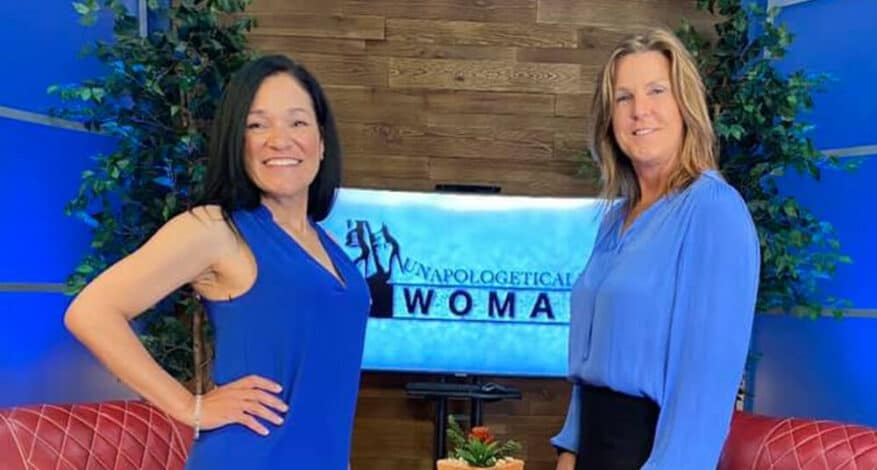
Sharon and Darlene before the interviewBlog

Unapologetically Woman

Sharon Price, Executive Director of Community Action Council, is celebrating phenomenal women across Kentucky who make no apologies for their perspectives.

Darlene Thomas, our Executive Director, recently was nominated to be interviewed by Sharon and share her story about advocating for survivors of intimate partner abuse. Bits of the interview have been captured here, with the full interview video available.

Finding the Mission

I started doing this work about 32 years ago in western Kentucky, Louisville, and then there was an opportunity to start this program in Lexington 17 years ago.

I was fortunate to have the opportunity to go to college…When I graduated, my friend called me to say they were hiring at the spouse abuse center. I didn’t even know about the spouse abuse center. How did I go through an undergraduate degree and not even learn about intimate partner violence? It just wasn’t a topic that was talked about then.

I was young, fresh out of school, and I was going to fix and change the whole world. I was really lucky there were women who took a risk with me. They mentored me and coached me. I was too big for my britches sometimes, and they didn’t let me be. They made me figure out what it meant to be in the work, and it was much bigger than me.

Mission Approach

The only way to work toward healing, for most survivors, to really know they belong to something bigger than themselves. We’re out in the country on a 40-acre farm and run cottage industries to capitalize on our strengths.

We grow flowers and make products. It’s our job to help survivors move from crisis to self-sufficiency based on their own journey — not based on what we think they should doing but what they believe they should be doing to figure out what their next steps will be.

The goal is to keep people safely in their community.

Kids need their school. Survivors need their work. They need to have their family, resources, and faith around them. But when not possible, that’s when shelter happens — when there’s no other safety mechanism — until we can figure out the next steps, get back your footing, and take back your power.

People living with us at shelter just start making their way to the farm. The kids are running and playing and riding their bicycles and feeding the horses. Next thing you know, mom is out there weeding and picking flowers and putting them on tables in the shelter. It just becomes this quiet way for people to process trauma.

Changing Systems

In order to change things, to make a better system for survivors to move from crisis to self-sufficiency, you got to be at the table to influence and policy and change.

My office is smack-dab in the middle of our shelter. I need to be around survivors. It’s what keeps me grounded in this work. The calling wasn’t to be an executive director. The calling really was to work with survivors in partnership to figure out how to continue to change systems to help protect and serve them.

I trust my instincts and my gut — and more than anything I trust survivors. When I’m going to go to the mats, I believe in it wholehearted. I can hear other opinions and learn from other people, but I can dig my feet in.

Trusting the Journey

I try to walk in the world and find people’s strengths and absorb them — and sometimes we learn what not to do — but I never take advantage of that. My core is survivors and their strength and their courage.

That’s what I carry and try to teach and help others in the field who want to do this work for a long time. You want people who believe every survivor is worthy of our time, and love, and dignity — until they learn they’re worthy of it.

Today I’m able to find the strength and the value and just meet people where they are. I also know where I am, and they begin. That’s not always true when you’re young in the field. You have a tendency to carry it, and it changes you.

You have to learn to integrate the pain and suffering of others but realize it’s not your outcome. Sometimes you have to just step back and let the journey happen. Every interaction has an impact on others.

Lifting Others

Every interaction has an impact on others. It’s so important to model and show and for every young woman to know their worth.

Unfortunately, the world teaches us that we have less value based on our skin color or gender… We have to lift young women up to know their worth and know they are loved. We have to stick together.

Watch more episodes

Follow the link above for the playlist of interviews.

READ MORE
21 Years

Rose’s Story

“Trauma is not always visible, and it’s easy to get lost.”  

They learn how to gain control over you, get inside your head, and make you feel less than what you really are. I don’t want nobody to ever be in that position, definitely not one of my girls.  

When things started to cave in on me, I went to a local homeless shelter, and from there my caseworker connected me with GreenHouse17. I was very humbled to realize how bad of a situation I was in with him. It helped me to realize he was a toxic person.  

I was able to transition into an apartment on the backside of the facility, and from that moment things started getting better for me.   

A door was opening, which made it possible for me to go back to school and get my Medical Administrative Assistant and EHR certificate. I’m very proud that I graduated in October.  

Though at first, there were a lot of issues because I didn’t have a car. I tried Uber for a bit, but it wasn’t working out. I was able to get a car on payments, and I just paid it off.  

The more power I get back, the more I am able to do for myself.   

Every part of the program was helpful. It is what me and my girls needed. It brings me joy to spend time with my kids. We love watching movies and going to church together. We’re now in pageants together, so we have been doing a lot of those lately.   

I really want to make a difference for anybody that’s been through domestic violence like me. 

I want people who’ve been through my struggle to know that it gets better. You deserve your happiness.  

This is only part of Rose’s story, in her own words, shared with her permission.  

Support Survivors Today

Follow the link above to donate now.

READ MORE
flowers in front of our greenhouse logo with a fenceBlog

Summering with GreenHouse17 – Chile Rellenos

In this second post from the Summering with GreenHouse17 series, Chelsey learns how to make chile rellenos.

In my third week I was able to shadow Chef Theo as he made lunch for the residents. We’re very lucky to have a chef who makes residents (and staff if there are leftovers!) lunch and dinner four days a week. A lot of the food comes from our garden on site.

Chile Rellenos was on the menu the day I shadowed. I had never had them before and let me tell you – it was one of the best things I’ve ever eaten! Here are the basics of how our chef made the chile rellenos – there’s a link to the full recipe at the end from Isabel Eats!

image
image
image
image
image

Ingredients

Chef Theo stopped at the local Mexican grocery – Supermercado Aguascalientes – on his way into work. He bought fresh poblano peppers, canned chipotle peppers, and cheese for the dish. We also had some fresh garlic from our farm to use!

Roasting

  • Poblanos are roasted in the oven until skins are blackened.
  • Flip and roast the other side.
  • Remove from oven and cover with foil to help peppers steam for a few minutes.
  • Peel the peppers and cut a slit down the middle for stuffing.

Stuffing & Breading

  • Stuff the peppers with your choice of ingredients. We filled ours with lots of cheese!
  • Separate the egg whites from yolks and beat the egg whites. (Chef Theo saved the yolks to make some individual lava cakes for everyone later in the week.)
  • Coat the peppers in batter, egg whites, batter again and drop into the fryer. (I am wanting to try these myself soon and use my air fryer.)
  • Place the peppers back on a baking sheet and cover in cheese.
  • Put in oven until cheese melts.

Sauce

  • Boil tomatoes.
  • Place them in a blender with some of the water.
  • Add chipotle peppers in adobo sauce. We used two cans since we were making it for a lot of people.
  • Add fresh garlic from the farm. 😉
  • Add salt.
  • Blend!

You can find the full recipe for these chile rellenos at this link on the Isabel Eats website. If you make these, please tag us on social media!

Read more from the series.

Tap on the link above for more summer stories from Chelsey.

READ MORE
Blog

In Memorial of Sara Cecil Perry

“Wherever she went, people were captivated by her warmth, energy, wit and offbeat sense of humor.” 

We are mourning the recent passing of Sara Cecil Perry, who began the first spouse abuse center in Lexington. This tribute includes information from the remembrance of her life published by the Kerr Brothers Funeral Home.

Born in Lexington on November 22, 1925, Ms. Perry attended Henry Clay High School, graduated from Sweet Briar College, and attended graduate school at the University of Kentucky.

She was personally and professionally committed to being an advocate for survivors of intimate partner abuse. This dedication informed her roles as President of the YWCA and Vice President of United Way, paving a path for the first spouse abuse center in Lexington and, eventually, our organization today.

Ms. Perry had many dear friends. She enjoyed collecting art, the music of Leonard Cohen, and the poetry of Edna St Vincent Millay. We hold her surviving family in our thoughts and hearts – especially her children Caroline Clay, Jean Cecil, John Thomas III, and Benjamin Buckner Perry.

In lieu of flowers, the family asks that donations in her memory be made to our organization to support survivors of intimate partner abuse during their journey of healing.

In Loving Memory

Follow the link above to make a gift in memory of Ms. Perry's life and legacy.

READ MORE
flowers in front of our greenhouse logo with a fenceBlog

Summering with GreenHouse17

Join new staff member Chelsey as she learns about GreenHouse17.

selfie of Chelsey standing in front of apple treesHello! I am Chelsey, the new Content Specialist at GreenHouse17!  

I have worked for nonprofit organizations since graduating college, but none have quite been like GreenHouse17. I remember first hearing about the organization while at a Kentucky Nonprofit Network event. It was 2013 and they had just won the Nonprofit Innovation Award 

Throughout the years, I was able to meet various staff members at outreach events. I was always impressed at how the organization was growing and how passionate everyone was. Eight years later, here I am on staff, and it feels like home.  

It is a home. Our offices are located in the shelter with the residents. We can share meals in the cafeteria and talk to the women and children in the halls. We get to witness the struggles and triumphs of who we serve – these strong survivors – firsthand.  

I’m going to bring you along with me as I learn more about the survivors we serve and our programs over the next few weeks. This ‘Summering with GreenHouse17 ’ blog series will take you through more of how we do things – the food we grow and use in our cafeteria, Handmade by Survivors products, legal advocacy, and more!  

Here are a few pictures I took in my first weeks at the shelter!  

image
image
image
image
image
image

Read more from the series.

Tap on the link above for more summer stories from Chelsey.

READ MORE
rainbow over shelter LGBTQIABlog

Intimate Partner Abuse in the LGBTQIA+ Community

You have the right to safety and support – and you deserve a healthy relationship. 

The National Intimate Partner and Sexual Violence Survey finds LGBTQIA+ people experience intimate partner violence at rates similar to, or higher than, heterosexual and cisgender people.  

Isolation is a common tactic of abusers to gain power and control in a relationship. Breaking free from this isolation can be so difficult, especially if family and friends you trusted chose to become estranged when you came out. Other tactics of power and control often include the following:

  • Outing your sexual orientation or gender identity to family and employers. 
  • Portraying the violence as mutual, consensual, or normal. 
  • Denying your gender identity and/or expression. 
  • Hiding or throwing away medications and hormones. 
  • Ridiculing style and fashion that corresponds to your gender expression. 

These threats and manipulations are compounded by a lack of community resources that understand and affirm LGBTQIA+ identities. Fear of further oppression due to intersecting identities make it harder to reach out for support.

Many on our staff are part of the LGBTQIA+ community, and everyone at our organization believes you deserve to feel safe in your intimate relationship.

Have you wondered if your relationship is healthy? Do you have a friend you suspect could be suffering from physical or emotional abuse? Whether you just want to talk or you’re ready to initiate services, we will answer your call 24 hours a day, every day of the year – 800-544-2022. 

Further Reading

For common myths about intimate partner abuse in LGBTQIA+ relationships, follow the link above for an article from the Human Rights Campaign.

READ MORE
Blog

What is the VOCA Fix?

We join thousands of nonprofit organizations and government agencies in calling on U.S. Senate leadership to bring the VOCA Fix (S. 611) to the floor for vote. 

Victims of Crime Act (VOCA) funding is in jeopardy. Millions of victims rely on the non-taxpayer source of funding for services to find safety, healing, and stability in the aftermath of abuse. The U.S. House of Representatives passed the VOCA Fix (H.R. 1562) with more than 90% of votes to sustain the Crime Victims Fund Act. Now it’s the Senate’s turn.

Wait – VOCA isn’t funded by taxes?

No, it’s a non-taxpayer sources of funding. President Ronald Reagan signed The Victims of Crime Act (VOCA) into law and established the Crime Victims Fund in 1984. Millions from federal criminal fines and penalties are deposited into the fund each year, and these dollars are granted to public and nonprofit service providers to provide supportive services for victims of crimes.

Why is a fix needed?

Deposits to the Victims of Crime Fund have declined in recent years — and it’s not because of a reduction in crime. A change to how crimes, particularly white-collar criminal cases, are processed is to blame. Increased use of deferred and non-prosecution practices has diverted millions from the Crime Victims fund this fiscal year.

Although resulting in monetary penalties, funds collected from deferred and non-prosecution practices are deposited into the General Treasury. It’s estimated billions of dollars that would’ve supported services for victims have not been deposited into the fund in recent years — only because of how the crimes were processed.

What’s at stake for victim services in central Kentucky?

Reduced deposits mean the Crime Victims Fund is not being replenished. Drastic cuts already have devastated many victim service providers. Without the VOCA Fix, organizations like ours could experience catastrophic funding losses.

VOCA funding supports the operation of our region’s 24-hour crisis hotline, 42-bed emergency shelter operation, safe exchange/visitation, and almost every advocacy service we provide for victims of intimate partner abuse. This is a crisis for victims.

The Senate can turn this around.

The VOCA Fix is a no-cost solution to Sustain the Crime Victims Fund Act of 2021 (H.R. 1652 / S. 611) by amending law to deposit penalties and fines from non-prosecution and deferred prosecution agreements into the Crime Victims Fund.

Your Voice Matters.

Follow the link above to the National Network to End Domestic Violence to send an email to your senators.

This post was created with content researched and published by the National Network to End Domestic Violence, National Coalition Against Domestic Violence, and Futures Without Violence.

READ MORE
Blog

Farm Songs: Miss Vivian Leigh

Thank you to Miss Vivian Leigh for sharing her time and talent to support survivors living at the shelter.

Vivian performed as part of our summer Farm Songs series for survivors and their children. It was a beautiful evening of music and storytelling. Farm Songs is a private weekly event series organized by advocates on our staff to bring local music to survivors this summer — from the safety and confidentiality of the emergency shelter. Vivian recorded her performance, and we’re so exited to share it with you here.

Follow Vivian on Facebook

Support local musicians who support survivors.

READ MORE