members of heart of kentucky steering comitteeBlog

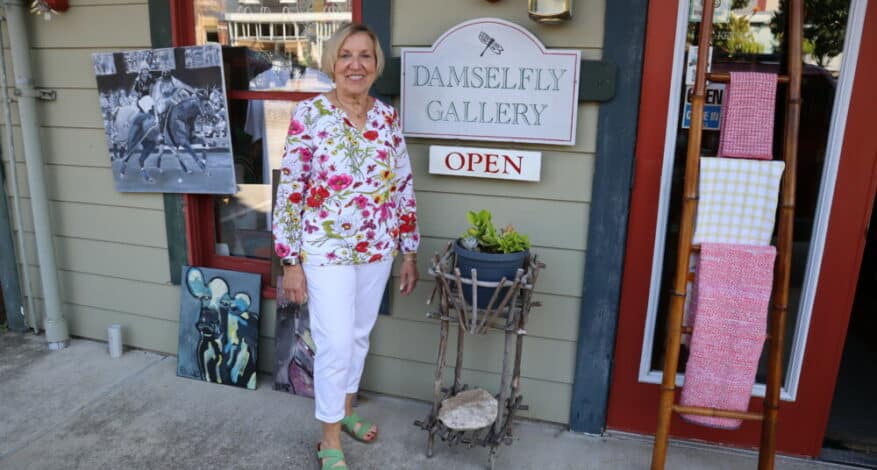
Heart of Kentucky Steering Committee

The Heart of Kentucky Steering Committee raises awareness & support in Boyle, Garrard, Lincoln, and Mercer counties.

The Heart of Kentucky Steering Committee leads with a spirit of engagement. They formed in February 2019 to build awareness about services to support survivors in the region.

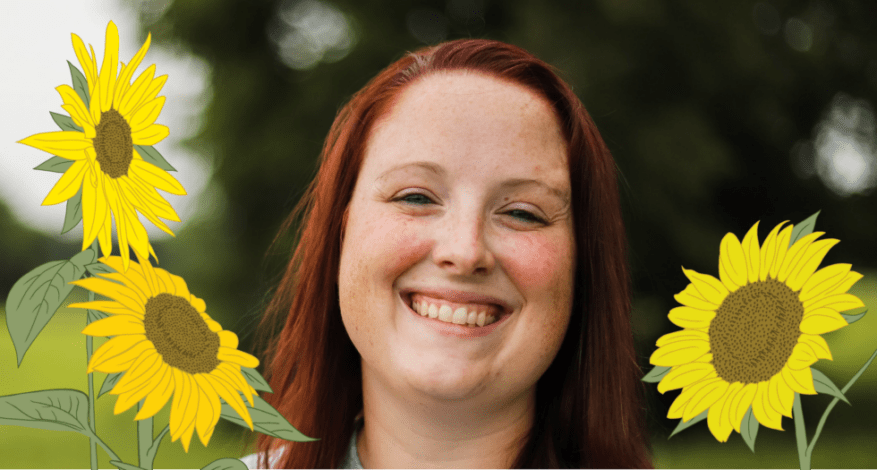
“It has been wonderful to have this committed group supporting our work,” says staff member and Danville resident Mary Trollinger.

Steve Lownds was an inaugural member. He works at Centre College and engaged staff from the school’s Title IX office in awareness projects on campus. “We are excited to continue to bring community members together to spread the word and support survivors,” shares Steve.

The City of Danville has issued proclamations during Domestic Violence Awareness Month the past few years, and the Advocate-Messenger has featured several articles about the mission.

“The steering committee cares about their community and has raised awareness about local services,” says Mary. “You don’t have to travel a long distance to find safety.”

Read the fall issue of Bloom!

This is one article from our print newsletter. Follow the link above to read the full issue!

READ MORE
Blog

Speak My Name

Today we ask you to listen for 42 seconds as we speak these names. Each name is a life taken by domestic homicide, related to intimate partner abuse in Kentucky from September 2020 – August 2021.

Although Domestic Violence Awareness Month is coming to a close, we will nurture lives harmed until the violence ends.

Connie Taylor, 74, Simpson County
Victoria Cunningham, 67, Hardin County
Pamela Renee Anderson, 57, Marion County
Donna G. Lay, 57, Whitley County
Carrie McCord, 56, McCracken County
Melinda Goosby, 46, Jefferson County
Jill Clayton, 40, Rowan County
Carmelita Lashaun Wright, 39, Franklin County
Don Ray Collett, 38, Laurel County
Tiffany Kidwell, 32, Kenton/Boone County
Angela Carey, 30, Butler County
Ashley Rountree, 29, Bullitt County
Ericka Canada, 26, Warren County
Hannah Fuller, 23, Daviess County
Nikkia Cope, 22, McCracken County
Esther Meza, 22, Clark County
Anonymous child, 12 years old

Speak My Name is a project of the Kentucky Coalition Against Domestic Violence. This is not an exhaustive list. Only victims about whom the coalition is aware through media outlets and domestic violence programs.

READ MORE
man by fence with headphones onBlog

Read, Watch, and Listen to Stories

Choosing to read, watch, and listen to stories is one way you can help end intimate partner abuse.

Stories help us to process, sympathize, and bond in shared experiences. Although some popular stories perpetuate myths and outdated assumptions, so many offer insight to understanding. This is a collection of books, movies, songs, and TikToks for you to consider and contemplate. 

Trigger alert: If you are a survivor, this post could trigger memories. If you need to talk to someone, remember our hotline is available 24-hours a day: 800-544-2022. 

Read Books

Watch Movies

Listen to Songs

Read more. Let's make some noise.

This is part of a series for Domestic Violence Awareness Month.

READ MORE
Alex and daughter Maddy from Maid on Netflix21 Years

We’re watching Maid on Netflix – and you should too.

Educate yourself, bring awareness to intimate partner abuse, and support survivors.

Why is Maid on Netflix important? Because it shows the real struggles survivors go through to leave their abuser and the obstacles they face if they’re able to leave.  

Alex struggles with the label of domestic abuse and says, “I’d hate to take a bed from someone that’s been abused for real.”  

Verbal and emotional abuse is intimate partner abuse! Throwing things and punching near a partner is physical abuse. It’s terrifying. As Alex’s friend Danielle tells her – abuse escalates over time. 

This series is important because it shows how isolated Alex was when she left. She had no job, no money, no childcare, and no friends because her circle is tied in with her abuser.  

There is a stigma about people who have been abused. People may think – Why didn’t she just leave? Why did she go back?  

Maid does an exceptional job at showing the hurdles survivors go through. The gaslighting, promising he will change this time, how scary court can be, and so much more.  

So, we’re watching Maid on Netflix, and you should too. To educate yourself, to bring awareness to intimate partner abuse, and to support survivors.

Have you wondered if your relationship is healthy? Do you have a friend you suspect could be suffering from physical or emotional abuse? Whether you just want to talk or you’re ready to initiate services, we will answer your call 24 hours a day, every day of the year – 800-544-2022. 

Further Reading

Lakeisha Goedluck writes about Maid and her own experiences with intimate partner abuse.

READ MORE
eliminate barriers in purple speech bubble with mouth and flowersBlog

Advocating in the Workplace

44% of US adults say they have experienced the effects of intimate partner abuse at work.

Intimate partner abuse affects every part of a survivor’s life, including at work. Abusers often sabotage a survivor’s work-life as a control tactic. 

As an employer, what can you do to support survivors?  

If an employee starts suddenly missing days of work, or coming in late, not being able to concentrate, or shows signs of physical abuse – how are you going to respond? Do you have workplace policies and procedures in place?  

If not, visit Workplaces Respond for a model workplace policy and other resources to get a plan in place.

Legal Obligations 

Revisions to KRS 209A effective July 2017 require health, school, faith, law, social, and other professionals to provide resources and referrals for suspected victims of domestic violence in Kentucky. 

If you have professional interaction with someone you believe to be a victim of domestic violence, dating violence, or abuse, you must give the person educational materials related to the abuse. This information must include how the victim may access domestic violence programs and protective orders. 

Click here for resources and here to schedule a training at your workplace. 

As a coworker, what can you do to advocate for survivors? 

See if your workplace has a policy on intimate partner abuse. If they don’t, share this statistic – 44% of US adults say they have experienced the effects of intimate partner abuse at work.

It’s important to have a policy in place for survivors. Share this resource with your company. You can search for resources as a coworker, employer, and advocate. 

Safe Space 

As employers and coworkers, we need to be a safe place for survivors to reach for help. If you have a conversation with someone you suspect is being abused –  

  • Communicate your concerns for the employee’s safety. It’s important to ask what changes could be made to make them feel safer. 
  • Tell the employee that you believe them. Listening, listening, listening, is really important. 
  • Refer the employee to a local domestic violence support agency with trained staff. You can call our crisis hotline, too, to ask for help with supporting an employee. 800.544.2022 
  • Be clear that your role is to try to help and not to judge. Don’t belittle or criticize the reasons a survivor stays or returns to the abuser. 

Read more. Let's make some noise.

This is part of a series for Domestic Violence Awareness Month.

READ MORE
your voice is powerful with flowers and mouth openBlog

Your Voice is Powerful

Take a stand against intimate partner abuse during Domestic Violence Awareness Month and every month. 

Your voice is powerful. Believe your voice and actions can make a difference. Be loud. Every action — big or small — creates a community that supports survivors.

What would happen if every person in your neighborhood took a stand against intimate partner abuse? What if every Kentucky resident supported survivors? 

Imagine if each and every one of us believed that our voice and actions matter and… 

Your voice is powerful. Your ideas, words, and actions make a difference. 

Candy Lightner’s voice changed drunk driving laws. Lilly Ledbetter’s voice protected women in the workplace. Ryan White’s voice changed our understanding of HIV/AIDS. Todd Beamer’s voice coordinated passengers to thwart an airstrike on the Pentagon.

And your voice can help end intimate partner abuse in families and our community.

Read more. Let's make some noise.

This is part of a series for Domestic Violence Awareness Month.

READ MORE
destroy myths with flowers coming out of megaphoneBlog

Destroy Myths & Reveal Truths

Let’s destroy myths and reveal truths about intimate partner abuse.

What myths have you heard about intimate partner abuse? It’s easy for a survivor to leave their abuser, right? Maybe you think intimate partner abuse doesn’t happen in your circle. We know these statements aren’t true. Read some common myths below and reveal the truth.

Intimate partner abuse is private and not a social issue. 

Intimate partner abuse affects one in three women and one in four men in Kentucky. We all have to do our part to speak out against it, be active bystanders, and correct inappropriate language when you hear someone victim-blaming. 

Victims provoke their partner’s violence. 

The survivor is never responsible for the abuse. That’s a victim-blaming attitude and the responsibility is always on the abuser. 

It’s easy for a survivor to leave their abuser. 

There are many reasons for not being able to leave – having nowhere to go, fear, financial insecurity, threats to themselves or their children or pets. Leaving the relationship is often the most dangerous time for the survivor.  

Alcohol and drugs cause abuse. 

Abuse is about power and control. Alcohol and drugs may increase abuse, but it’s not the cause. 

Intimate partner abuse is only about physical abuse. 

Again, the abuse is all about power and control. There could also be emotional, financial, sexual, harassment, and/or digital abuse. 

Intimate partner abuse doesn’t happen in my circle. 

That’s statistically unlikely. If you know more than three people, then you know and care about someone who has survived intimate partner abuse. If it’s not someone in your family or close group of friends, you know a survivor from school, work, or place of worship. 

People who are abused have the types of personalities that seek out and encourage abuse. 

A lot of abusers will come off as charming and loving at first and then the abuse can escalate. This is a victim-blaming attitude. 

Intimate partner abuse only affects adults in the household. 

The majority of children in an abusive household will witness the abuse. Studies have shown children who experience intimate partner abuse with their parents exhibit depression, anxiety, learning difficulties, and more.  

Only women are abused by men. 

Women can abuse men, too. And LGBTQIA+ rates of intimate partner violence are similar to, or higher than, heterosexual and cisgender people. 

Intimate partner abuse only happens with older, married couples.  

The majority of people report experiencing abuse for the first time between the ages of 18 and 24. 

Get Help

Have you wondered if your relationship is healthy? Do you have a friend you suspect could be suffering from physical or emotional abuse? Whether you just want to talk or you’re ready to initiate services, we will answer your call 24 hours a day, every day of the year – 800-544-2022.

READ MORE
fight injustice with flowers and speakersBlog

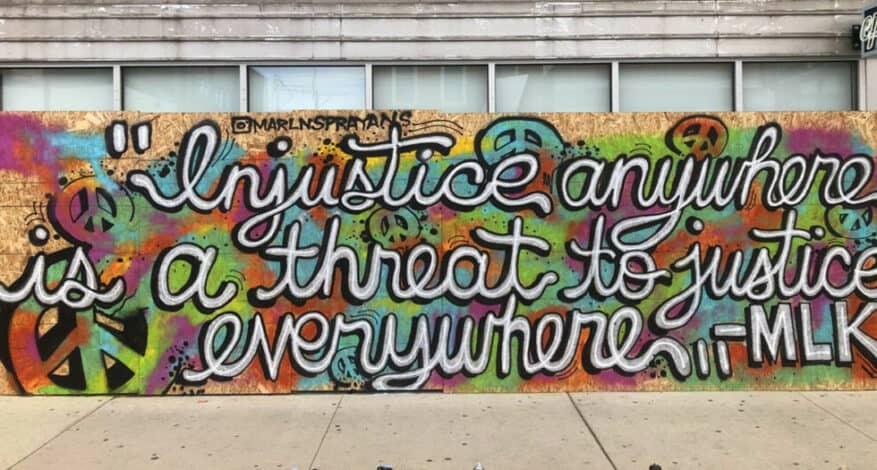
Fight Injustice

Words are powerful. Choosing your words carefully and using accountable language when discussing intimate partner abuse is something everyone can do. 

Fight injustice by speaking up and speaking out. 

Intent is everything. We have so many teachable moments in our everyday lives that we don’t seize. Whether you are at work or with friends and family, if you hear something disrespectful or degrading – speak out! Don’t do nothing. 

Open a dialogue – let someone see how language affects perspective and how the wrong language can be dangerous. Remind friends, family, coworkers, or anyone else you come across that positive language can change things for the better. 

If you hear someone using abusive or controlling language, say “I don’t appreciate that,” and explain why it is unacceptable. 

We’ve probably all heard friends and family say things like this before —  

“It takes two to tango.” 

“They’re having a lovers’ quarrel.” 

“What did she do to provoke it?”  

These sentiments blame the survivor and you can speak out when you hear someone using this victim-blaming language. Chances are they don’t know they’re doing it. You can say something like “Did you know the words we choose sometimes blame victims?”  Then explain how. 

Talking about the power and control associated with intimate partner abuse is always a good place to start. Your discussion might address how physical, emotional, and financial violence make it very difficult for someone to leave.  

Educate yourself on the power and control wheel of abuse. And always fight injustice by speaking up for survivors.

Read more. Let's make some noise.

This is part of a series for Domestic Violence Awareness Month.

READ MORE
purple ribbon awardBlog

Purple Ribbon Award for Program of the Year

We have received the Purple Ribbon Award for Program of the Year by Domesticshelters.org. A $10,000 grant to support services for survivors accompanies this national honor.

Theresa’s FundDomesticShelters.org and experts in the field launched the Purple Ribbon Awards, the first comprehensive awards program honoring shelters, programs, volunteers, and survivors committed to ending intimate partner abuse.

“We all know it’s not easy work. But helping victims, survivors and their families and the relentless pursuit to end domestic violence is absolutely fulfilling and necessary work.” – Award organizers

Gold medallions were awarded to notable nominees across 28 categories earlier this year. GreenHouse17 also was recognized for Most Innovative Service and Best Annual/Impact Report.

Grant Announcement

More than 650 people from 58 states/provinces and 10 countries attended the awards celebration and announcement of grant winners on September 15. Filmmaker Angela Shelton served as the special guest host for the event. 

“It means so much to be honored by fellow advocates in the mission,” remarked Darlene Thomas, our executive director, after learning of the grant award.” She later reflected on the honor in an email to staff and members of our Board of Directors: “Folks from all over the country sent out a huge congratulations to you, your work, your vision and commitment to survivors.”

Fellow Award Winners

We send our congratulations to these and other inspirational award winners:

SOS violence conjugale
Outstanding Awareness Campaign
Quebec, Canada
$7,500 Grant Recipient

G.R.O.W. Foundation
Survivor of the Year (Neisha Himes)
Chesapeake, VA
$5,000 Grant Recipient

Control Alt Delete
Most Innovative Service
Phoenix, AZ
$2,500 Grant Recipient

Laurens County Safe Home
Shelter Turnaround of the Year
Clinton, SC
$2,500 Grant Recipient

Center of Hope
Shelter Employee of the Year (Rachel Enriquez)
Columbia, TN
$2,500 Grant Recipient

About the organizers

DomesticShelters.org was launched in 2014 by Theresa’s Fund, an Arizona-based organization that has been deeply committed and involved in preventing violence against women since 1992. The website has become one of the fastest-growing websites on the topic of domestic violence.

READ MORE
purple ribbon awards bannerBlog

Purple Ribbon Awards

We’ve received national Purple Ribbon Awards for Best Shelter (Agency), Most Innovative Program (Farm), and Best Annual/Impact Report (Bloom)!

The Purple Ribbon Awards are new this year! DomesticShelters.orgTheresa’s Fund, and experts in the field came together to launch the first awards program honoring survivors, nonprofits, and advocates working to end intimate partner violence.  

We are winners in three categories! The Purple Ribbon Awards Celebration is on September 15th at 6:30pm. Grants totaling up to $30,000 will be made to select winners. The link to register is below! 

purple ribbon award

Register for The Purple Ribbon Awards Celebration

If you register before September 12th, you're entered for a chance to win a $250 Amazon gift card. (Must be present to win)

READ MORE